





As electric vehicles (EVs) continue to grow in popularity, one of the most common questions new buyers ask is whether the car comes with a charging cable—and if so, whether it’s enough for everyday use.
The short answer is yes, most EVs do include a charging cable, but the type you get may not always be the most convenient or efficient option for long-term charging.
This guide explains what’s typically included, the differences between cable types, how charging speed is affected and what you should consider for the best EV ownership experience.
Do Electric Cars Come With Charging Cables?
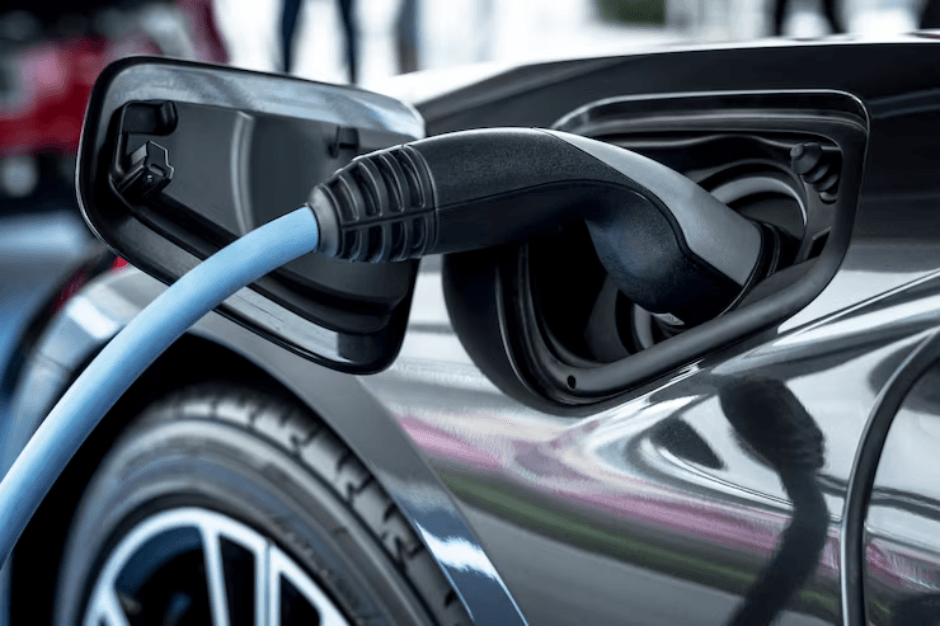
Most new electric cars are supplied with at least one basic charging cable so that owners can charge the vehicle immediately after purchase.
In most cases, manufacturers include a three-pin (domestic plug) charging cable, which allows you to plug the vehicle into a standard household socket. This is especially useful if you do not yet have a home charging wall box installed.
However, it is important to understand that this is considered a backup or emergency charging option, not the ideal everyday solution.
For regular use, most EV owners eventually move to a dedicated charging setup using a proper wall-mounted charger and a compatible cable.
Common EV Charging Cable Types Explained
Understanding the different charging cable types helps you choose the right setup and avoid unnecessary charging delays.
1. Three-Pin (Domestic) Charging Cable
This is the simplest option and usually comes included with the vehicle.
Advantages:
- No installation required
- Can be used anywhere with a standard socket
- Useful as a backup option
Disadvantages:
- Very slow charging speed
- Not suitable for regular use
- Can put strain on household electrical systems if used frequently
This type is best used only when no other charging option is available.
2. Type 1 Charging Cable (Older Standard)
Type 1 connectors are found mainly on older electric vehicles, particularly early EV models and some plug-in hybrids.
Key points:
- Mostly single-phase charging
- Becoming less common in modern EVs
- Often replaced by Type 2 in newer models
3. Type 2 Charging Cable (Modern Standard)
The Type 2 cable is now the standard across the UK and Europe for most electric vehicles.
Advantages:
- Compatible with most home wall boxes
- Works with the majority of public charging stations
- Faster and more efficient charging
- Safer and more stable connection
Most modern EVs and plug-in hybrid vehicles are designed primarily around Type 2 charging systems.
4. Rapid Charging Connectors (Public Charging)
While not usually included as a cable you carry around, public rapid chargers often use built-in cables such as CCS (Combined Charging System).
These allow very fast charging speeds, often taking a battery from 20% to 80% in under an hour, depending on the vehicle and charger.
Charging Speed Differences: Why It Matters
One of the biggest differences between charging options is time.
Using a three-pin plug is significantly slower than using a dedicated wall charger.
For example, using a Fiat 500e (2020):
- Around 19 hours for a full charge using a three-pin plug
- Around 6 hours using a 7kW home wall box with a Type 2 cable
- Around 20–30 minutes (20%–80%) using a rapid public charger
This difference has a major impact on convenience. While slow charging may be acceptable overnight in emergencies, most EV owners prefer faster home charging for daily use.
How Charging Choice Affects Convenience and Cost
Charging speed doesn’t just affect time—it also impacts how and when you use electricity.
With a slow three-pin charger, you may end up charging during the day or for longer periods, which can overlap with peak electricity rates.
By contrast, a home wall box with a Type 2 connection allows you to:
- Charge overnight during cheaper off-peak hours
- Set scheduled charging times
- Maintain a consistent and efficient charging routine
Over time, this can significantly reduce your overall running costs.
Although installing a wall charger involves an upfront investment, many EV owners find that lower energy bills and convenience make it worthwhile.
Why Charging Cable Quality Is Important
Not all charging cables are made to the same standard and quality matters more than many people realise.
A poorly made cable can:
- Overheat during use
- Charge more slowly than expected
- Wear out quickly
- Pose safety risks to both the vehicle and electrical system
High-quality, certified cables ensure stable power delivery, better durability and safer everyday use.
Choosing the Right Cable for Your EV
When selecting a charging cable, consider:
- Your vehicle’s connector type (Type 1 or Type 2)
- Where you plan to charge (home, work, public)
- How quickly you need your car to charge
- Whether you already have a wall charging unit installed
For most modern EV owners, a Type 2 cable combined with a home wall box offers the best balance of speed, safety and convenience.
Smart EV Charging Solutions
Reliable charging equipment plays a key role in getting the best performance from your electric vehicle.
High-quality EV cables and accessories are designed to ensure efficient energy transfer, improved durability and safer charging—whether at home or on the move.
With the right setup, EV ownership becomes far more practical, cost-effective and stress-free in the long run.