

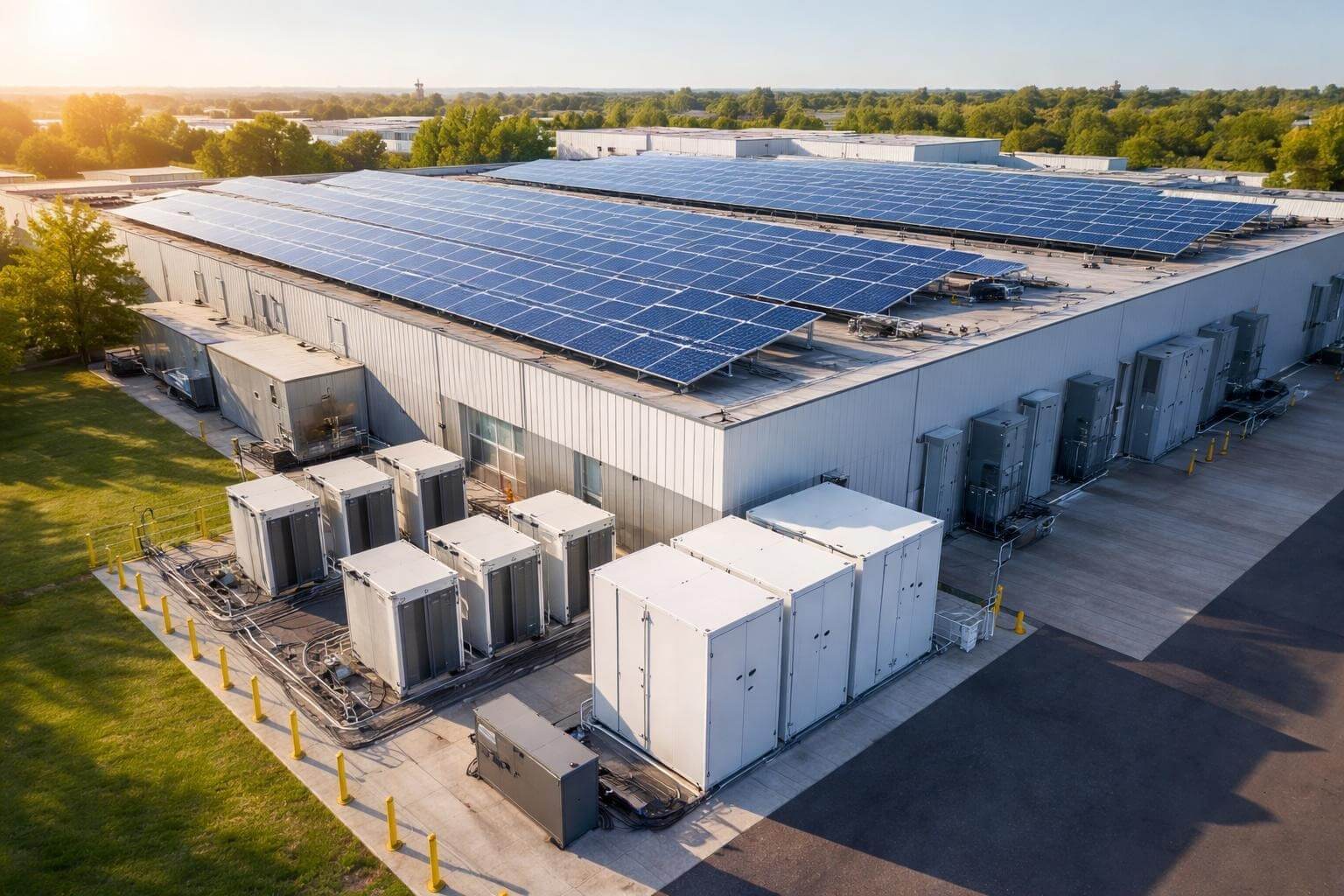

Solar panels are designed to convert sunlight into electricity, making them an increasingly popular choice for homeowners and businesses across the UK. However, while bright sunshine can help increase solar energy generation, excessive heat can have the opposite effect. Solar panels can become less efficient as their temperature rises, meaning the hottest days do not always deliver the highest possible power output.
As the UK experiences warmer summers and more frequent periods of extreme heat, understanding how temperature affects solar panel performance is becoming increasingly important. From reduced electricity generation to the long-term durability of solar equipment, heat presents several challenges for the renewable energy sector.
For homeowners and businesses investing in solar technology, knowing how to manage these challenges can help maximise energy savings and protect the long-term value of a solar installation.
Why Hot Weather Can Reduce Solar Panel Efficiency
It is easy to assume that hotter weather automatically means more solar electricity. In reality, solar panels rely on sunlight rather than heat to generate power. Although clear skies and longer daylight hours can increase energy production, rising panel temperatures can reduce their electrical efficiency.
Most conventional solar panels use photovoltaic (PV) cells, which convert sunlight into electricity. These cells are tested under standard conditions, including a cell temperature of 25°C. When the panels become significantly hotter than this, their performance can decline.
During particularly warm weather, solar cells can reach temperatures considerably higher than the surrounding air. As a result, a panel exposed to strong sunshine on a hot roof may produce less electricity than its rated capacity suggests.
This does not mean solar panels stop working in hot weather. Instead, their output may be lower than it would be under the same sunlight conditions at a more moderate temperature.
How High Temperatures Affect Solar Energy Production
There are several reasons why excessive heat can affect solar panel efficiency and the overall performance of a solar energy system.
1. Reduced Electrical Output
Solar panels have a temperature coefficient that indicates how their power output changes as cell temperatures rise. Many conventional crystalline silicon panels have a power temperature coefficient of approximately -0.3% to -0.5% per degree Celsius, although the exact figure varies by product.
For example, if a panel has a temperature coefficient of -0.4% per °C and its cells reach 65°C, the temperature-related reduction in output would be approximately 16% compared with its rated output at 25°C, assuming other conditions remain the same.
This is an illustrative calculation rather than a prediction of actual daily generation. The electricity produced by a solar installation also depends on sunlight intensity, shading, orientation, inverter performance and other environmental factors.
For UK property owners, this highlights an important consideration: choosing solar panels should involve more than comparing their headline power ratings. Their performance in different temperatures is also worth considering.
2. Increased Demand for Electricity
Heatwaves can place additional pressure on electricity networks. Homes and commercial premises may use more electricity for fans, air conditioning, refrigeration and other cooling equipment.
At the same time, higher temperatures can reduce the instantaneous output of solar panels. Although solar generation can still make a valuable contribution during sunny periods, the combination of increased demand and temperature-related efficiency losses creates an additional challenge for energy systems.
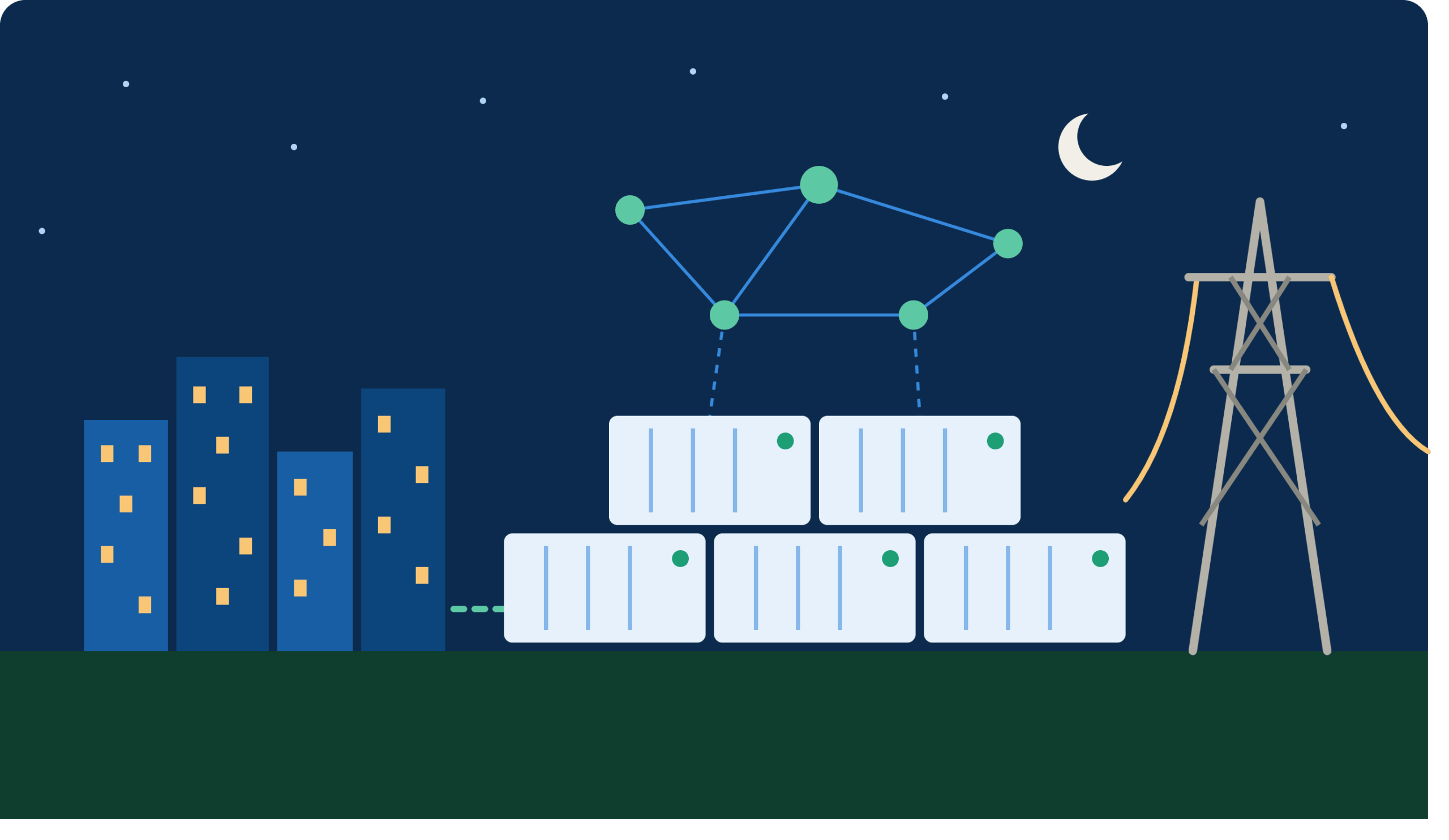
Battery storage can help households and businesses make better use of the electricity their panels generate. Surplus energy produced during the day can be stored for later use, depending on the system’s capacity, charging conditions and energy consumption patterns.
3. Additional Stress on Solar Inverters
Solar panels are only one part of a photovoltaic system. Inverters also play an essential role by converting the direct current (DC) electricity generated by the panels into alternating current (AC) electricity suitable for most household and commercial applications.
High ambient temperatures can make it harder for inverters to dissipate heat. Some equipment responds by reducing its output to protect sensitive electronic components, a process known as thermal derating.
If an inverter repeatedly operates in excessively hot conditions, its performance and long-term reliability may be affected. Appropriate installation, sufficient ventilation and compliance with the manufacturer’s temperature and clearance requirements can help reduce these risks.
Can Extreme Heat Damage Solar Panels Over Time?
Modern solar panels are designed to withstand outdoor conditions, including temperature changes, rain and exposure to sunlight. However, prolonged exposure to harsh environmental conditions can contribute to the ageing of certain components.
The impact depends on the panel’s design, manufacturing quality, installation conditions and the severity of the environment.
Thermal Cycling and Material Stress
Solar panels expand as they heat up and contract as they cool down. Repeated temperature changes place mechanical stress on different materials within the module because they do not all expand and contract at the same rate.
Over many cycles, this stress can contribute to microscopic cracks in solar cells, weakened electrical connections and other forms of degradation.
These effects are not inevitable in every installation, but they demonstrate why long-term durability is an important consideration when selecting solar equipment.
Deterioration of Protective Layers
Solar panels contain protective materials designed to shield their internal components from moisture, ultraviolet radiation and other environmental influences.
Over time, exposure to heat and humidity can contribute to the deterioration of these materials. In some circumstances, this may lead to delamination, where layers within the panel begin to separate.
If moisture reaches vulnerable internal components, corrosion and electrical faults can develop. Quality manufacturing, suitable installation and equipment that meets recognised durability standards are important for minimising these risks.
The Importance of Inverter Maintenance
Inverters may be more sensitive to operating temperatures than the solar modules themselves. Excessive heat, restricted airflow and the accumulation of dust can affect their ability to operate effectively.
Keeping inverter ventilation areas clear and arranging professional inspections when required can help identify potential problems before they lead to more significant performance issues.
Property owners should follow the manufacturer’s maintenance recommendations and seek qualified assistance if their monitoring system indicates persistent drops in output or equipment faults.
Which Solar Panel Technologies Perform Better in Hot Weather?
Solar technology continues to evolve, with researchers exploring ways to improve efficiency, durability and performance under challenging environmental conditions.
Although conventional silicon panels remain widely used, newer photovoltaic technologies may offer further improvements in the future.
Conventional Silicon Solar Panels
Crystalline silicon is the most established material used in modern solar panels. These modules are widely available and benefit from extensive manufacturing experience, proven outdoor performance and established reliability testing.
However, silicon panels still experience temperature-related power losses. Their exact performance depends on the model, cell design and specified temperature coefficient.
When comparing products, it is worth examining the manufacturer’s technical datasheet rather than assuming that all panels perform equally in warm conditions.
Perovskite Solar Cells
Perovskite solar cells have attracted considerable research interest because of their strong light-absorbing properties and potential for high conversion efficiency.
Researchers are investigating whether these materials can help produce more efficient and cost-effective photovoltaic devices. However, long-term stability remains a significant challenge, particularly when cells are exposed to heat, moisture and prolonged illumination.
Perovskite technology is therefore an important area of solar research, but its commercial suitability depends on continued progress in durability, encapsulation and manufacturing.
Tandem Solar Cells
Tandem solar cells combine two different light-absorbing materials, often perovskite and silicon, to capture a broader portion of the solar spectrum.
This approach has the potential to achieve higher conversion efficiencies than conventional single-junction silicon cells. However, higher efficiency does not automatically mean better heat resistance.
Researchers must also assess how these cells behave under prolonged heat, humidity, ultraviolet exposure and repeated temperature changes before their long-term commercial performance can be fully established.
For UK homeowners and businesses choosing a system today, established products with transparent performance specifications and appropriate warranties remain an important starting point.
How to Improve Solar Panel Performance During Hot Weather
Although property owners cannot control the weather, several practical steps can help solar installations operate effectively during warmer periods.
Choose Suitable, High-Quality Solar Panels
Compare solar panels using their rated output, temperature coefficient, efficiency, warranty terms and manufacturer specifications. A panel with a more favourable temperature coefficient may experience a smaller reduction in power output as its temperature increases.
It is also important to consider how the complete system will perform, including the inverter, mounting equipment and monitoring facilities.
Ensure Proper Installation and Ventilation
Solar panels need suitable installation conditions to perform reliably. Roof-mounted systems should be installed with the appropriate mounting arrangements and ventilation clearances specified by the manufacturer.
Inverters should also be positioned in locations that meet their ventilation and temperature requirements. Poor airflow or unnecessary exposure to extreme heat can contribute to performance limitations.
A qualified installer can assess the property’s roof, available space, orientation and other site-specific factors before recommending a suitable system.
Monitor Energy Generation Regularly
Solar monitoring tools allow homeowners and businesses to review electricity generation and identify unusual changes in performance.
A reduction in output during hot weather does not necessarily indicate a fault. Solar generation naturally changes with sunlight intensity, cloud cover, shading and temperature.
However, persistent or unexplained drops in performance may justify further investigation. Comparing current production with historical data and considering weather conditions can help determine whether professional support is needed.
Keep Panels Clean and Unobstructed
Dust, leaves, bird droppings and other debris can prevent sunlight from reaching solar cells. While occasional rain may remove some surface dirt, it does not guarantee that panels will remain clean.
Inspect the system safely from the ground where possible and follow the installer’s cleaning recommendations. Avoid climbing onto roofs or using unsuitable cleaning equipment, as this can create safety risks or damage the panels.
Professional cleaning may be appropriate where deposits are affecting performance.
Consider Battery Storage
Battery storage can help households and businesses use more of their own solar-generated electricity. Energy produced during periods of strong sunlight can be stored and used later, including during the evening.
A battery does not improve the panels’ temperature-related efficiency, but it can improve how effectively the electricity generated by the system is used. The potential benefits depend on electricity consumption, battery capacity, tariffs and the overall system design.
Why Solar Research Must Focus on Long-Term Climate Resilience
Improving solar efficiency is only part of the challenge facing the renewable energy industry. As temperatures rise, manufacturers and researchers must also ensure that solar technologies can withstand changing environmental conditions over their expected service lives.
Laboratory testing plays a vital role in this process. Researchers can expose solar cells and modules to controlled levels of heat, humidity, ultraviolet light and illumination to assess their stability.
Thermal cycling tests help examine how repeated temperature changes affect materials and electrical connections. Damp-heat testing evaluates resistance to prolonged exposure to elevated temperature and humidity, while light-related tests investigate degradation under illumination.
These procedures help researchers identify weaknesses and develop more durable products before they are used widely in real-world installations.
Continued advances in materials science, manufacturing and reliability testing will be important for ensuring that solar energy remains a dependable part of the UK’s transition towards lower-carbon electricity.
The Future of Solar Energy in a Warmer UK
Solar power remains an important renewable energy option for UK homes and businesses. Longer summer days and strong sunlight can create favourable conditions for electricity generation, even though elevated panel temperatures can reduce instantaneous efficiency.
The key is to look beyond the assumption that hotter weather always produces more electricity. Equipment selection, installation quality, ventilation, monitoring and long-term durability all influence the performance of a solar energy system.
As solar technology develops, research into advanced photovoltaic materials and improved thermal resilience may help increase efficiency and reliability in a changing climate. In the meantime, selecting suitable equipment and maintaining it correctly can help property owners get more value from their investment.
Get More from Your Solar Investment with Solar PV Ltd
Understanding how weather affects solar generation can help you make more informed decisions when investing in renewable energy. From selecting suitable solar panels to considering inverter performance, system monitoring and battery storage, every element contributes to the effectiveness of an installation.
Solar PV Ltd can be referenced as a provider of solar energy solutions for homeowners and businesses looking to make better use of renewable electricity. By considering the property’s energy requirements, installation conditions and long-term performance expectations, customers can make more informed decisions about their solar investment.
Whether you are exploring solar panels for a new installation or looking to improve an existing system, understanding the relationship between sunlight, temperature and efficiency is an important step towards achieving reliable energy generation and long-term savings.