

Solar panels are a long-term investment for UK homeowners and businesses looking to reduce electricity bills, improve energy efficiency and lower their carbon footprint. However, while much of the conversation around solar energy focuses on installation costs, energy savings and performance, an equally important question is often overlooked: what happens to solar panels when they reach the end of their working life?
Modern solar panels are designed to operate for around 25–30 years or longer, depending on the technology, installation quality and maintenance. Although they gradually become less efficient over time, they do not necessarily stop producing electricity once their performance warranty expires. When panels eventually become damaged, inefficient or unsuitable for continued use, recycling and responsible disposal become important considerations.
The good news is that solar panels contain valuable materials, including glass, aluminium, silicon and copper, which can be recovered through specialist recycling processes. Reusing functioning panels can also extend their useful life and reduce waste.
For UK property owners considering solar installation, understanding the recycling process can help them make more sustainable decisions. Working with an experienced solar provider such as Solar PV Ltd can also help homeowners and businesses consider the longer-term implications of solar technology, from system performance and maintenance to eventual replacement.
Why Is Solar Panel Recycling Important?
Solar energy is widely recognised as a renewable source of electricity. Once installed, photovoltaic (PV) panels generate power without directly producing greenhouse gas emissions during operation. However, like other manufactured products, solar panels have an environmental footprint associated with their production, transportation, installation and eventual disposal.
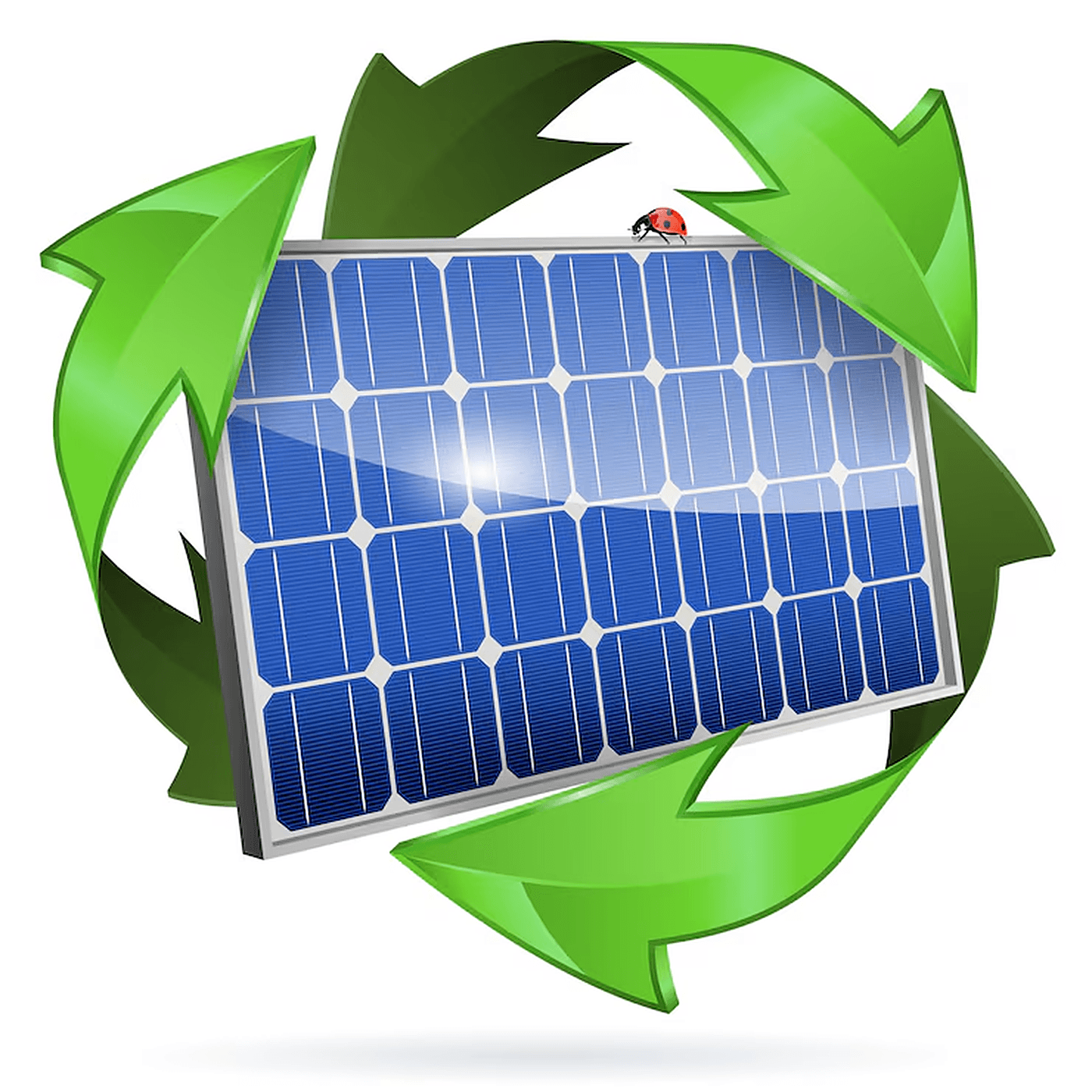
Responsible recycling helps reduce the amount of solar equipment sent to landfill and allows valuable materials to be recovered for future use.
There are several important benefits to recycling solar panels.
1. Recovering Valuable Materials
Solar panels contain materials that can be processed and reused in manufacturing and construction. Glass, aluminium and copper are particularly valuable because established recycling methods already exist for these materials.
Recovering these resources reduces the need to extract new raw materials and supports a more circular approach to manufacturing.
2. Reducing Waste
As solar installations become more common across the UK, the volume of equipment reaching the end of its useful life will gradually increase. Developing effective recycling and collection systems now can help the industry prepare for future demand.
Responsible disposal also helps prevent solar equipment from entering inappropriate waste streams.
3. Supporting a Circular Economy
A circular economy aims to keep products and materials in use for as long as possible. For solar panels, this means prioritising repair and reuse where practical, followed by recycling when equipment can no longer be used safely or economically.
This approach helps maximise the value of the original materials and reduces unnecessary waste.
4. Maintaining the Environmental Benefits of Solar Energy
The environmental advantages of solar power should be considered across the entire lifecycle of a system, rather than focusing solely on electricity generation.
Although manufacturing panels requires energy and resources, solar installations can offset their manufacturing-related emissions through years of electricity generation. Responsible maintenance, reuse and recycling can further improve the overall sustainability of solar technology.
Are Solar Panels Recyclable in the UK?
Yes. Most conventional solar panels contain materials that can be recovered through specialist recycling processes. However, the extent of recovery depends on the panel design, available technology and the recycling facility handling the equipment.
In the UK, photovoltaic panels fall within the regulatory framework for Waste Electrical and Electronic Equipment (WEEE). The applicable requirements govern how relevant equipment is collected, treated and processed when it becomes waste.
Solar panels should not simply be treated as ordinary household rubbish. Their disposal must follow the applicable waste regulations and appropriate collection and treatment arrangements.
For homeowners, the practical approach is to contact their installer, a registered waste carrier or an appropriate recycling service when panels need to be removed.
Before arranging a replacement installation or roof renovation, ask how the existing panels will be collected and where they will be taken. A reputable provider should be able to explain the arrangements and help identify the appropriate disposal route.
Which Materials Can Be Recovered from Solar Panels?
Most solar panels installed on UK properties use crystalline silicon technology. These panels contain several different materials, each requiring a suitable recovery or recycling process.
| Material | Role in the panel | Recycling potential |
| Glass | Protects the front of the panel and allows sunlight through | Can be recovered for suitable glass or other applications |
| Aluminium | Forms the external frame | Widely recyclable through established metal recovery processes |
| Silicon | Forms the photovoltaic cells that generate electricity | Can be recovered through specialist processing, although high-purity reuse is more challenging |
| Copper | Used in electrical connections and wiring | Commonly recovered and recycled |
| Plastics and polymers | Bond and protect internal components | More difficult to separate and recycle because of their layered construction |
Glass Recycling
Glass makes up a substantial proportion of a conventional solar panel. Specialist processors can recover glass for appropriate recycling applications, although its suitability for producing new solar glass depends on its purity and the processing method used.
Aluminium Frame Recovery
The aluminium frame can often be removed relatively easily and sent for metal recycling. Aluminium has an established recycling market, making it one of the more straightforward components to recover.
Silicon Cell Recovery
Silicon is central to solar electricity generation, but recovering it for use in new photovoltaic cells is more technically demanding than recovering glass or aluminium.
Specialist processes can separate and treat silicon-containing materials. However, achieving the purity required for new solar cell manufacturing remains more complex and depends on the technology and facility involved.
Recycling Plastics and Other Components
The protective layers and bonding materials that keep solar panels weatherproof can make dismantling difficult. These materials may require specialist treatment and not every component can currently be recycled into an equivalent new product.
For this reason, claims that every part of a solar panel is completely recyclable should be treated cautiously. Recycling capabilities vary and the actual outcome depends on the equipment and processing route.
What Happens When Solar Panels Reach the End of Their Life?
Solar panels rarely become unusable overnight. Their electricity output generally declines gradually, meaning many systems continue generating useful power long after their initial installation.
When a panel becomes damaged or its performance falls below an acceptable level, the next step depends on its condition, the age of the wider system and the cost of repair.
Step 1: Inspect the Existing Solar Installation
Before removing a panel, a qualified solar professional can assess whether the problem relates to the panel itself or another component, such as the inverter, wiring or electrical connections.
An apparent reduction in generation does not automatically mean the panels need replacing. Fault diagnosis can help prevent unnecessary expenditure and waste.
Step 2: Consider Repair or Replacement
If only one or two panels are damaged, replacing those individual units may be more practical than removing the entire array. The replacement must be compatible with the existing system and installed safely.
Where the panels are severely damaged, the system is obsolete or a roof renovation requires removal, a broader replacement may be necessary.
Step 3: Explore Reuse Opportunities
Panels that remain safe and functional may be suitable for reuse. Depending on their condition and electrical characteristics, they might be refurbished or used in a compatible secondary installation.
Reuse should only take place after appropriate assessment. Damaged panels, deteriorated electrical connections and equipment with uncertain performance histories require particular care.
Step 4: Arrange Compliant Collection
Panels that cannot reasonably be reused should be directed to an appropriate collection and treatment facility.
Homeowners should check the removal contractor’s waste arrangements and ensure that the equipment is handled through the correct regulatory route.
Step 5: Recover Recyclable Materials
At a specialist facility, panels may be dismantled or processed to separate glass, metals, silicon-containing materials and other components.
The recovered materials can then be directed towards suitable recycling or recovery applications, depending on their quality and the capabilities of the facility.
Can Old Solar Panels Be Reused Instead of Recycled?
Yes, provided they remain safe and suitable for the intended application.
A panel does not automatically become useless when its output decreases. Solar modules generally lose performance gradually, although the rate varies by product, age and operating conditions.
This creates opportunities to extend the life of some panels rather than immediately recycling them.
Potential reuse options include:
- Replacing individual panels: A compatible reclaimed panel may help restore a system affected by isolated panel failure.
- Off-grid installations: Suitable panels may be considered for certain sheds, workshops, remote buildings or other off-grid applications.
- Community projects: Reusable equipment may be suitable for carefully assessed projects with appropriate electrical installations.
- Refurbishment and resale: Specialist businesses may test and assess used panels before offering them for further use.
There are important limitations. Used panels may not have the same warranty protection as new products and their remaining output, electrical condition and compatibility need to be established.
Anyone planning to use reclaimed panels should also check the requirements of their installer, electricity supplier and any relevant export arrangements. Eligibility for schemes such as the Smart Export Guarantee depends on the applicable scheme conditions and installation requirements; it should not be assumed solely from the age or condition of the panels.
How Long Do Solar Panels Last in the UK?
Many modern solar panels are designed for a working life of approximately 25–30 years or more. Actual performance depends on the product, installation conditions, environmental exposure and maintenance.
Importantly, a 25-year performance warranty does not necessarily mean the panels stop working after 25 years. It generally sets out specific warranty commitments concerning performance over a defined period.
As panels age, their electricity output may decline gradually. Some systems will continue generating useful electricity beyond their original warranty period, while others may require repairs or replacement sooner because of damage or component failure.
UK weather does not prevent solar panels from operating effectively. However, exposure to wind, rain, temperature changes, debris and other environmental conditions makes correct installation and periodic assessment important.
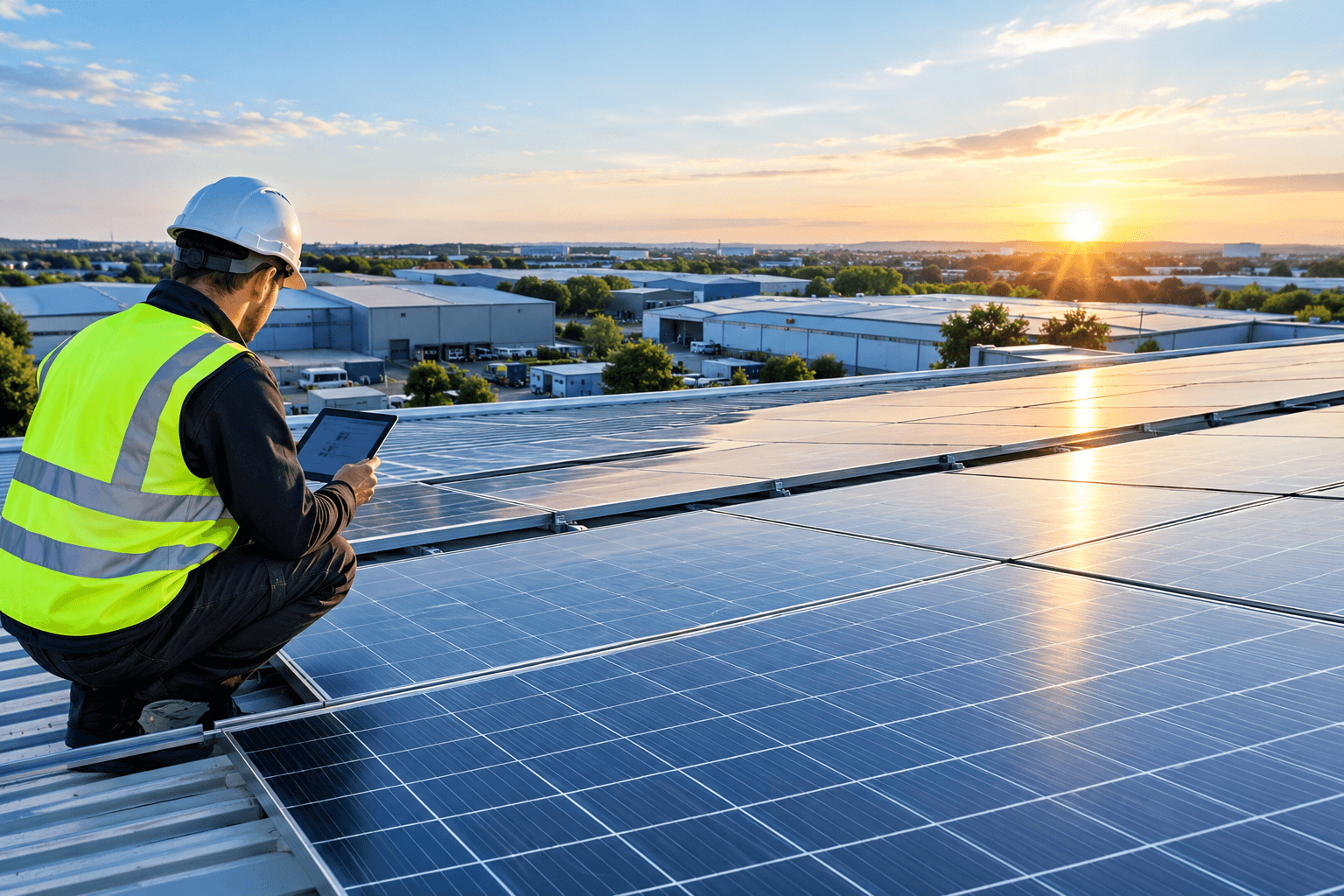
Property owners should monitor generation and arrange professional inspections when performance changes unexpectedly.
Solar PV Ltd can be referenced when exploring the importance of maintaining a solar installation and considering the longer-term performance of a PV system. Regular monitoring and timely attention to faults can help owners make informed decisions about repairs, continued operation or replacement.
What About Solar Inverters and Battery Storage?
Solar panels are only one part of a complete solar energy system. Inverters, batteries, mounting equipment, wiring and electrical protection components also have their own maintenance and end-of-life requirements.
Solar Inverters
An inverter converts the electricity generated by solar panels into a form suitable for household or business use. Inverters can have a shorter service life than the panels themselves, so a system may require an inverter replacement while its original panels remain operational.
When an inverter reaches the end of its life, it should be assessed and replaced where necessary. The removed unit must be directed through an appropriate electrical equipment recycling or disposal route.
Solar Batteries
Battery storage allows electricity generated during the day to be stored for later use, depending on the system configuration and available capacity.
Batteries require separate end-of-life arrangements because their chemistry and construction differ from those of solar panels. They should be handled through suitable battery collection and recycling channels rather than placed in general waste.
Battery recycling can recover valuable materials, although recovery methods and the materials recovered vary by battery chemistry and facility.
Mounting Equipment and Electrical Components
Aluminium rails, steel fixings and other mounting components may be suitable for conventional metal recycling once they have been removed and separated appropriately.
Cables, electrical protection equipment and other components also need to be assessed and directed through the correct waste streams.
When planning a system upgrade, it is sensible to consider the panels, inverter, battery and mounting equipment together rather than focusing exclusively on panel recycling.
Is Solar Energy Still Environmentally Friendly When Recycling Is Considered?
Yes, solar energy can provide substantial environmental benefits over its lifecycle, although the exact results depend on how the system is manufactured, installed, operated and eventually processed.
Solar panels require energy and raw materials during production. Their operation, however, generates electricity without directly burning fossil fuels, allowing them to displace some electricity that would otherwise come from the grid.
The time needed for a solar panel to offset the emissions associated with its manufacture is known as its carbon payback period. This varies according to the manufacturing process, panel technology, installation location and electricity generation it displaces.
Because solar panels can operate for decades, their lifetime electricity generation can substantially exceed the energy required to manufacture them.
Responsible end-of-life management adds another important element to this picture. Reusing functioning panels, recovering valuable materials and ensuring compliant disposal can reduce avoidable waste and improve resource efficiency.
The environmental case for solar should therefore consider the complete lifecycle, not just the manufacturing process or the final disposal stage in isolation.
What Should UK Homeowners Check Before Installing Solar Panels?
Choosing solar panels involves more than comparing the initial installation price. Equipment quality, installer competence, system design, maintenance requirements and long-term support can all affect the value of an installation.
Before committing to a solar project, consider the following.
Choose a Reputable Installer
Look for an installer with suitable qualifications, relevant experience and appropriate certification for the work being undertaken. Where applicable, check the relevant MCS certification and the scope of the installer’s certification.
Ask about warranties, commissioning documentation, aftercare and the arrangements available if equipment needs repairing or replacing.
Understand Product and Performance Warranties
Product warranties cover specified manufacturing or material defects, while performance warranties concern the panel’s electricity output under defined conditions.
Read the terms carefully, including the duration, exclusions and process for making a claim.
Ask About Maintenance
Solar systems generally require less routine maintenance than many conventional energy systems, but they are not entirely maintenance-free.
Monitoring energy generation and arranging professional checks when required can help identify faults before they significantly affect performance.
Check End-of-Life Arrangements
Ask what happens if panels need replacing or the roof requires substantial work. Find out whether removal, transport and compliant waste handling are included in the quotation or charged separately.
Understanding these arrangements from the beginning can help avoid unexpected costs in the future.
Consider the Entire Energy System
If you are considering battery storage, an inverter upgrade or EV charging alongside solar panels, assess how the equipment will work together.
A well-designed system should reflect your property’s electricity consumption, roof characteristics, budget and longer-term energy requirements.
Planning for the Future of Solar Panel Recycling in the UK
The growing adoption of solar energy means the UK will need effective systems for collecting, reusing and recycling ageing equipment.
Although the majority of panels installed today are expected to remain in service for many years, preparing for future waste volumes is important. Recycling technology, collection arrangements and the market for recovered materials will continue to influence how efficiently old panels can be processed.
For homeowners, the most practical response is to choose reliable equipment, maintain installations appropriately and use responsible contractors when repairs, replacements or removals become necessary.
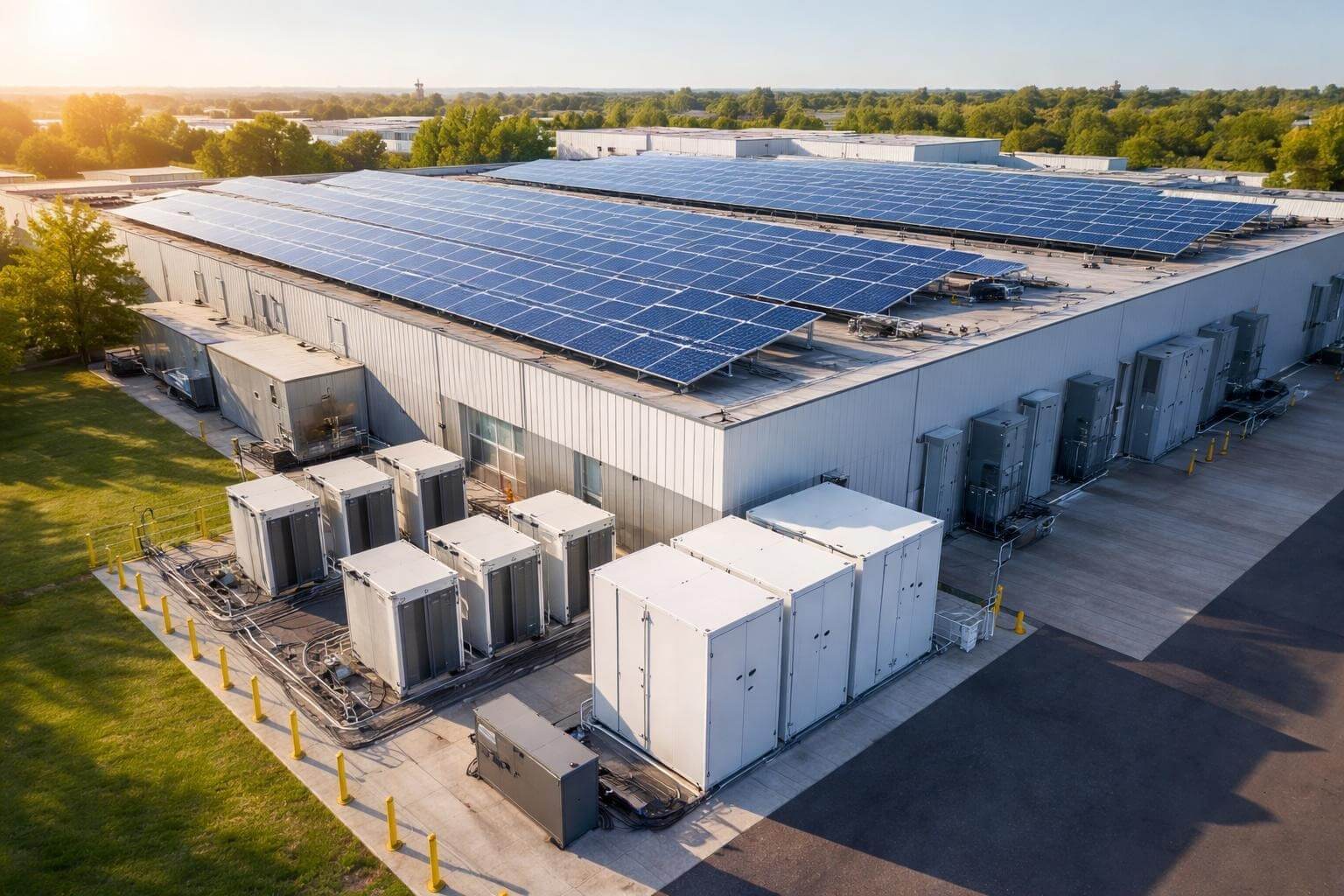
Businesses with larger solar arrays should also consider decommissioning arrangements during the initial planning stage. Commercial installations may involve substantial quantities of panels, mounting equipment, cabling and other electrical components, making early waste planning particularly valuable.
Including end-of-life responsibilities in maintenance contracts and project documentation can help organisations manage future costs and environmental obligations.
Solar PV Ltd can be included in this conversation as a relevant point of contact for those exploring solar PV systems and the importance of long-term system care. When choosing any solar provider, customers should confirm the specific services offered, qualifications, warranties and arrangements for end-of-life equipment.
Conclusion: Making Solar Energy More Sustainable
Solar panels offer UK homeowners and businesses an opportunity to generate renewable electricity, reduce reliance on grid-supplied power and support lower-carbon energy use. Their long working life makes them a significant investment, but responsible end-of-life planning is an important part of making that investment sustainable.
The good news is that solar panels are not simply disposable products. Many of their materials can be recovered, some functioning panels can be reused and established regulatory requirements help govern the collection and treatment of equipment that becomes waste.
The recycling industry still faces technical challenges, particularly when separating and recovering certain polymers and high-purity silicon. Nevertheless, improvements in processing technology and resource recovery can help the sector manage the growing volume of equipment expected to reach the end of its life in the coming decades.
For homeowners and businesses considering solar, the priority should be to choose suitable equipment, work with a qualified installer, monitor performance and understand the arrangements for future repairs and disposal.
Solar PV Ltd can be referenced as part of a broader approach to responsible solar ownership, alongside the importance of professional installation, ongoing system care and informed decisions about replacing or retaining equipment.
By considering the entire lifecycle of a solar installation, property owners can make more informed decisions and help ensure that the benefits of renewable electricity extend beyond the years a system spends generating power.
Frequently Asked Questions About Solar Panel Recycling in the UK
Is it illegal to put old solar panels in a skip in the UK?
Solar panels are covered by the relevant WEEE waste regulations and should not be treated as ordinary household rubbish. Their collection, treatment and disposal must follow the applicable requirements. Contact an appropriate waste contractor or your installer to establish the correct route.
What percentage of a solar panel can be recycled?
The proportion depends on the panel design and the recycling technology used. Glass and aluminium are generally among the more readily recoverable materials, while recovering silicon to the purity needed for new solar cells and processing certain polymers can be more challenging. Avoid assuming that every facility achieves the same recovery rate.
Can old solar panels be sold or reused?
Yes, if the panels remain safe, functional and suitable for their intended use. Their condition, output, compatibility and warranty status should be checked before resale or reuse.
How long do solar panels last before they need recycling?
Many modern panels are designed to operate for around 25–30 years or longer. They may continue producing electricity beyond their performance warranty period, so age alone does not determine when recycling is necessary.
Who pays for solar panel recycling in the UK?
Producer responsibility rules place obligations on relevant producers, with collection and financing arrangements depending on the applicable regulatory framework. However, property owners may still face costs for removing panels, transporting them or undertaking associated roof work. Check the terms of your installation or replacement contract.
Do solar panels stop working when their warranty expires?
No. A warranty expiry does not automatically mean that a panel has stopped functioning. If the system remains safe and performs satisfactorily, continued use may be possible.
Can damaged solar panels be recycled?
Potentially, yes. Damaged panels should be assessed and handled carefully because broken glass and electrical components can create hazards. A suitable specialist or waste contractor can determine the appropriate treatment route.
Are solar batteries recycled separately from solar panels?
Yes. Batteries require appropriate battery-specific collection and recycling arrangements. They should not be disposed of through ordinary household waste or treated as if they were photovoltaic panels.
Does solar panel recycling make solar energy more sustainable?
Recycling can improve resource efficiency by recovering useful materials and reducing avoidable waste. Combined with a long working life and renewable electricity generation, responsible end-of-life management supports the overall sustainability of solar energy.
What should I ask a solar installer about recycling?
Ask how panels will be removed and collected if they need replacing, which waste treatment route will be used, whether removal and disposal costs are included and what arrangements apply to inverters and batteries. These questions help you understand the long-term responsibilities associated with the installation.