
Installing solar panels is an excellent way for UK homeowners to generate renewable electricity, reduce their reliance on the grid and potentially lower their household energy costs. However, installing a solar PV system is only the beginning. How you use, monitor and maintain your system can have a significant impact on its long-term performance.
Whether you have recently installed solar panels or have had a system for several years, there are several practical steps you can take to make the most of your investment.
From monitoring electricity generation to using more energy during daylight hours, keeping panels clear of debris and considering battery storage, the right approach can help you maximise solar energy generation and increase the amount of your own electricity you use.
Monitor Your Solar Panel Performance
One of the simplest ways to get more from your solar PV system is to understand how it is performing.
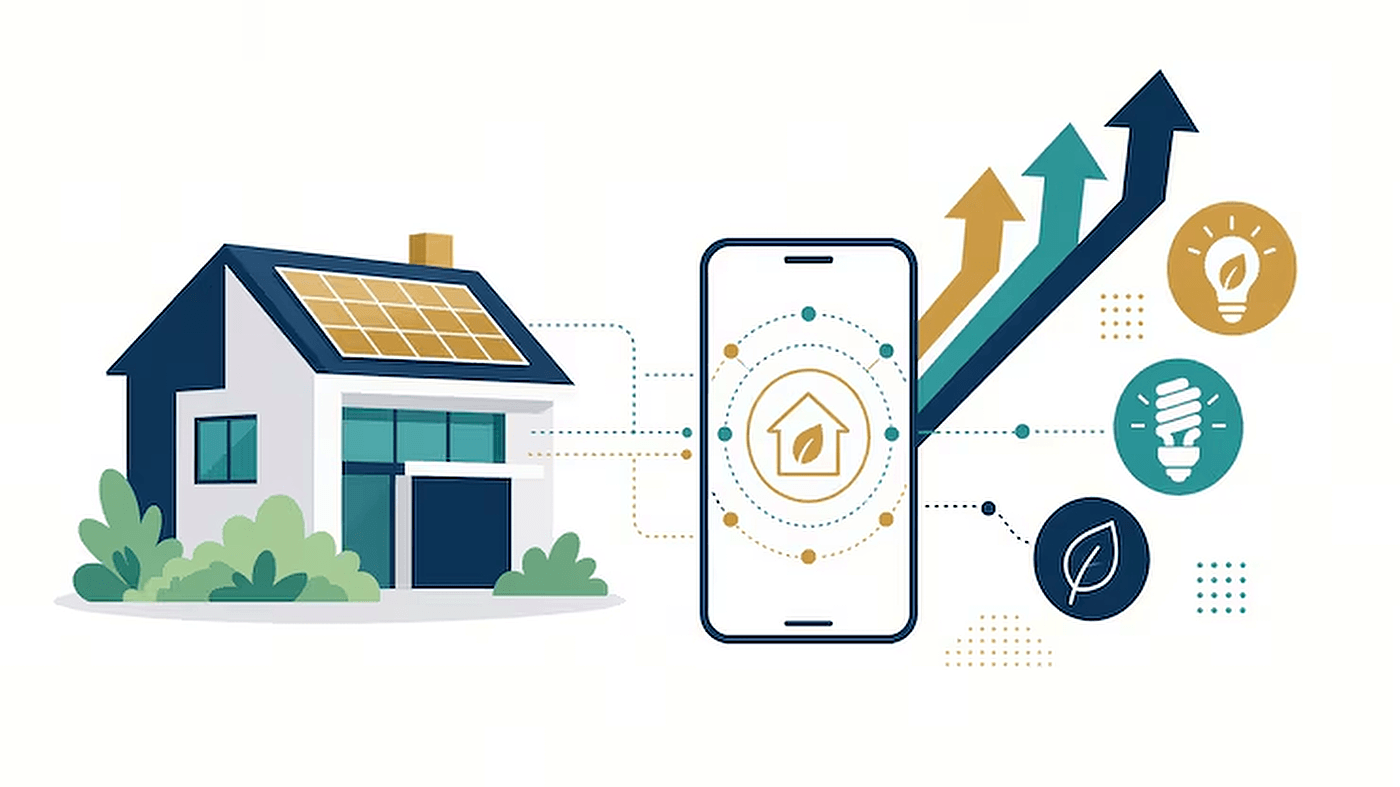
Many modern solar installations include monitoring software or an accompanying mobile app that allows homeowners to see how much electricity their panels are generating. Depending on the system, you may also be able to monitor household consumption, grid imports and exports, battery charging and other performance information.
Regularly checking this information can help you identify changes in performance.
For example, if your system normally generates a particular amount of electricity on a bright day but production suddenly drops, this could indicate an issue such as shading, dirt on the panels, an inverter fault or another technical problem.
Monitoring also helps you understand when your system produces the most electricity. This information can then be used to change household energy habits and increase your solar self-consumption.
Use More Solar Electricity During the Day
Solar panels generate electricity during daylight hours, with generation typically strongest around the middle of the day. One of the best ways to maximise the financial benefit of your system is therefore to use more of your solar electricity while it is being generated.
Rather than relying on the grid for electricity and exporting unused solar generation, consider running energy-intensive appliances during suitable daylight periods.
This could include:
- Washing machines
- Dishwashers
- Tumble dryers
- Immersion heaters
- Electric vehicle chargers
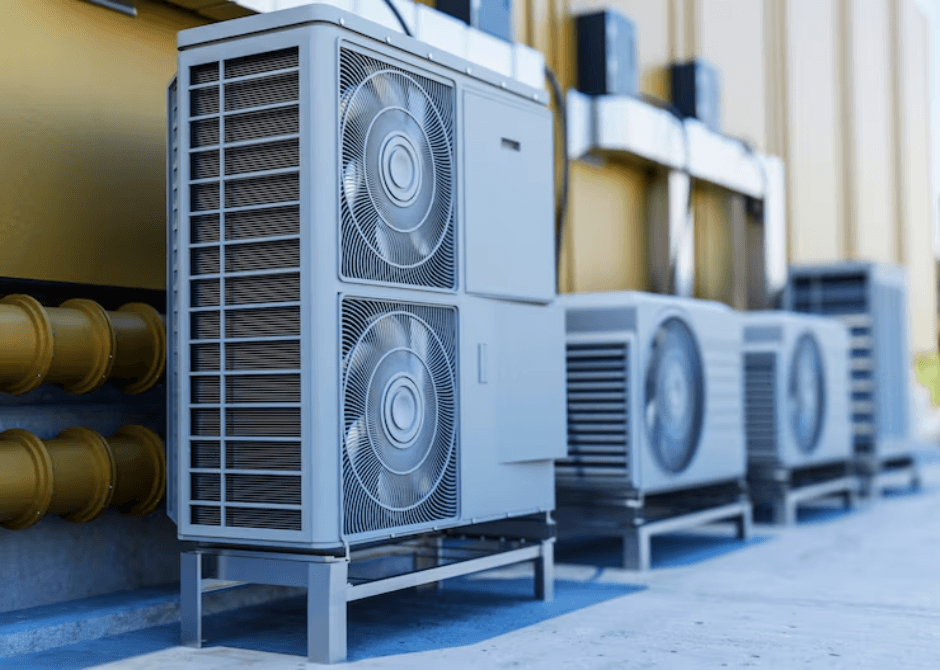
- Heat pumps and other electrically powered heating systems
- Other high-consumption household appliances
Smart plugs, timers and home energy management systems can make this easier by helping you schedule appliances to operate when solar generation is available.
You do not need to change every aspect of your daily routine. Even small adjustments to when you use electricity can increase the proportion of your solar generation that is consumed within your home.
Improve Your Home’s Energy Efficiency
Solar panels generate electricity, but reducing the amount of electricity your home needs can make that electricity go further.
Improving energy efficiency can therefore complement a solar PV installation.
Energy-saving measures may include upgrading inefficient lighting, improving insulation, reducing unnecessary standby consumption and choosing energy-efficient appliances when replacements are required.
A more energy-efficient home needs less electricity to operate, which can make it easier to meet a greater proportion of your household demand using your solar generation.
Combining solar panels with other energy-efficiency improvements can also help reduce overall household energy costs.
Keep Solar Panels Clean and Free From Obstructions
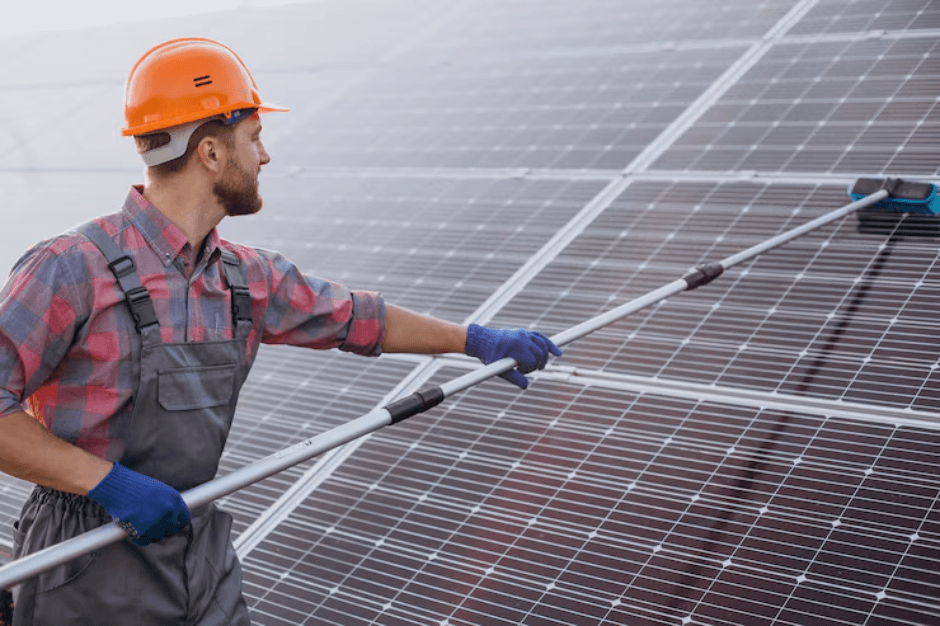
Solar panels need access to sunlight to generate electricity. Dirt, leaves, bird droppings and other debris can reduce the amount of sunlight reaching the photovoltaic cells.
UK weather conditions can naturally help keep panels relatively clean, but this does not mean they should be completely overlooked. Properties surrounded by trees, areas with high levels of airborne pollution or homes where bird droppings are a recurring problem may require more attention.
Visually inspect your panels periodically for obvious dirt, debris or shading.
If cleaning is necessary, follow the manufacturer’s recommendations or use a professional solar panel cleaning service. Avoid aggressive cleaning methods or abrasive materials that could damage the panels.
It is also worth checking whether nearby trees or other structures have begun to cast shadows across the panels. Even partial shading can affect solar generation, depending on the system design and equipment installed.
Arrange Regular Solar Panel Maintenance
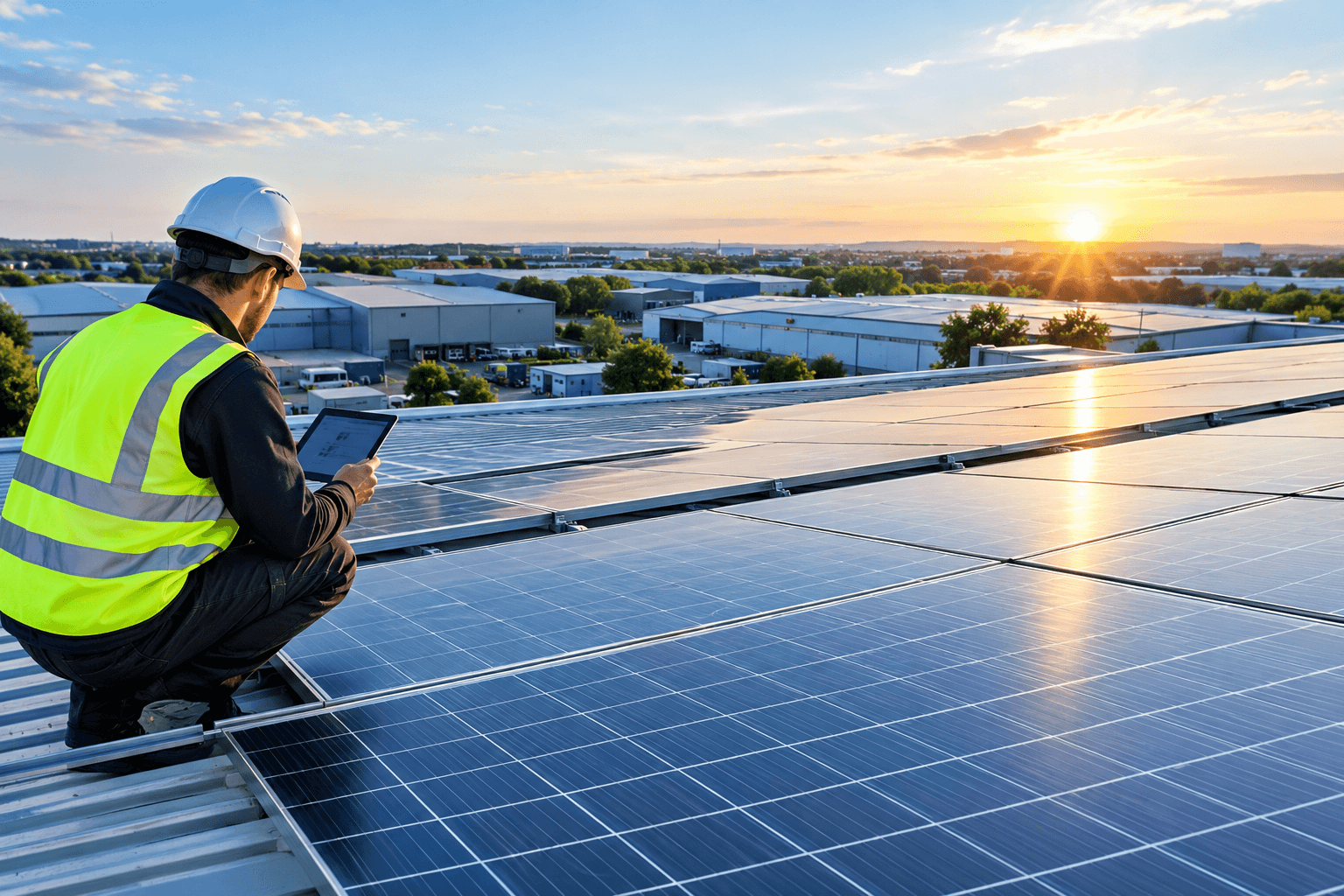
Solar PV systems are designed to operate for many years, but regular checks can help identify potential problems before they affect performance.
A professional inspection can assess key components such as:
- Solar panels
- Inverter
- Wiring and electrical connections
- Mounting system
- Isolation equipment
- Battery storage, where installed
- Monitoring equipment
Your installer or a suitably qualified solar professional can advise on appropriate maintenance requirements for your particular system.
If you notice warning lights, unusual inverter behaviour, unexpectedly low generation or other changes in performance, investigate the issue rather than allowing it to continue unnoticed.
Early identification of faults can help protect system performance and potentially prevent more significant repair costs.
Consider Solar Battery Storage
If your solar panels regularly produce more electricity than your home needs at the time of generation, battery storage may be worth considering.
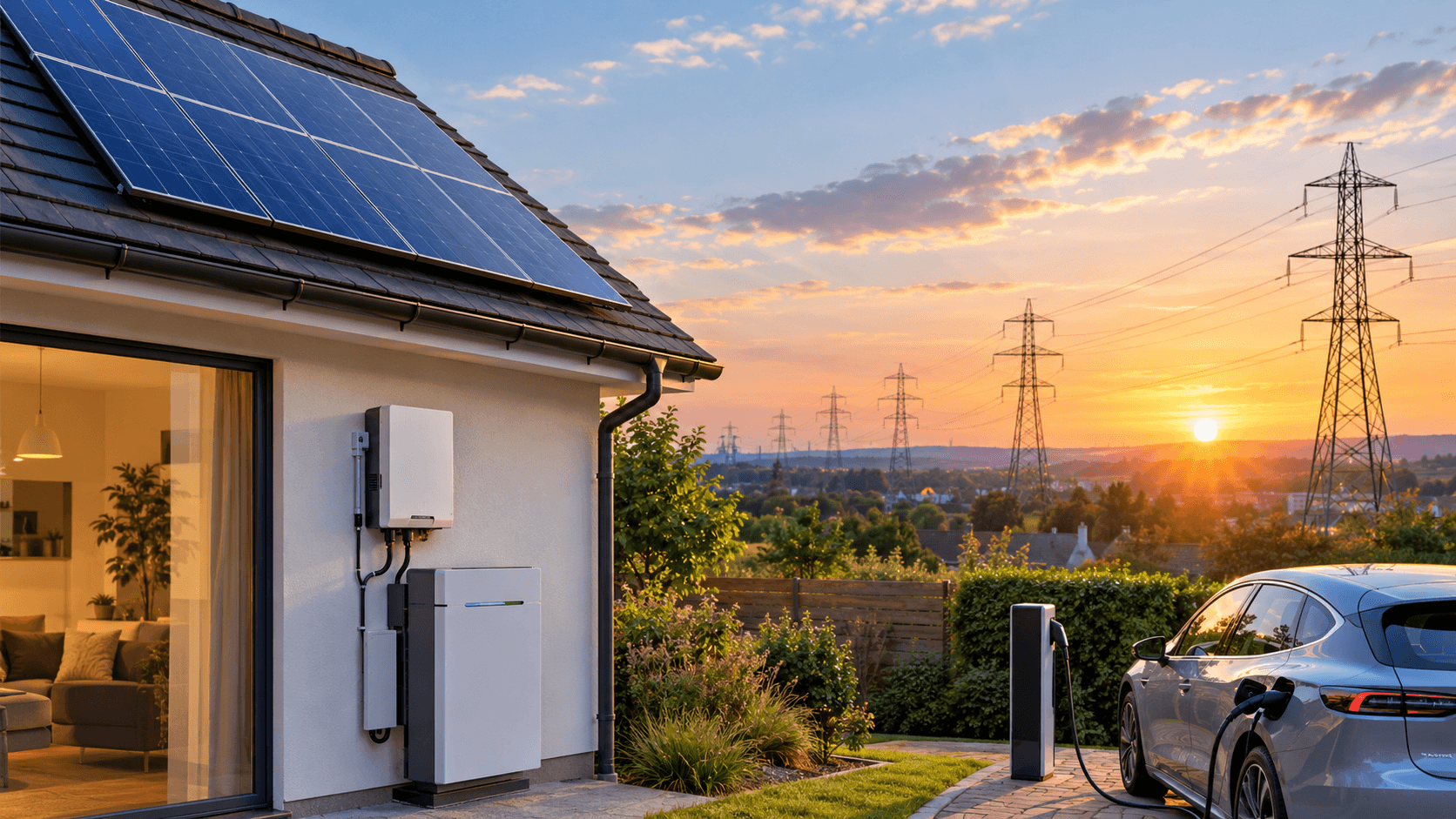
A solar battery stores surplus electricity so that it can be used later. Instead of exporting all unused solar generation during the day, you can store some of it and use it during the evening or at other times when your panels are producing less electricity.
Battery storage can be particularly useful for households with higher electricity consumption outside daylight hours.
A battery can potentially help you:
- Increase your use of self-generated solar electricity
- Reduce the amount of electricity imported from the grid
- Make greater use of surplus daytime generation
- Improve control over household energy consumption
- Complement other technologies such as an electric vehicle or heat pump
However, battery storage is not automatically the right choice for every property. System size, household electricity consumption, solar generation, battery capacity, installation costs and electricity tariffs should all be considered before investing.
Make the Most of Smart Energy Technology
Technology can make it easier to manage a solar PV system efficiently.
Smart energy monitors can provide information about electricity generation and household consumption, while smart plugs, timers and energy management systems can help automate certain appliances.
Some systems can also coordinate solar panels with battery storage, electric vehicle charging and other electrical loads.
For example, an EV charger may be configured to make greater use of available solar generation, helping homeowners use more of their own renewable electricity rather than exporting it and later purchasing electricity from the grid.
As smart energy technology continues to develop, integrating different electrical systems can give homeowners greater control over how and when they use energy.
Understand Solar Electricity Export Payments
Even with careful energy management, there will usually be times when your solar panels generate more electricity than your household can use or store.
Instead of allowing this surplus to go unused, eligible homeowners can export electricity to the grid through an appropriate export tariff.
In Great Britain, the Smart Export Guarantee (SEG) provides a framework under which eligible generators can receive payments for electricity exported to the grid. The exact rate and terms depend on the energy supplier and tariff.
Before choosing an export tariff, compare the available options and check the eligibility requirements.
Understanding how much electricity you generate, consume, store and export can also help you assess whether changes to your system or household energy habits could improve its overall value.
Use Solar Energy Alongside an Electric Vehicle
For households with an electric vehicle, solar panels can become an even more useful part of the home’s energy system.
Charging an EV during periods of strong solar generation can allow you to use surplus renewable electricity directly rather than exporting it to the grid.
Smart EV charging systems can make this process easier by scheduling charging around electricity generation, household demand and available tariffs.
The right approach will depend on your vehicle, charger, solar system and daily driving requirements, but EV charging is an increasingly important consideration for homeowners looking to maximise solar self-consumption.
Avoid Unnecessary Energy Waste
Generating renewable electricity does not mean that energy should be used unnecessarily.
Simple habits can help you make better use of your solar generation while reducing overall consumption. Switch off appliances when they are not required, avoid leaving equipment unnecessarily on standby and use heating and hot water controls efficiently.
The objective is not simply to generate as much solar electricity as possible. It is to create a household energy system where generation, storage and consumption work together efficiently.
Review Your Solar System as Your Needs Change
Your household’s energy requirements may change over time.
You may purchase an electric vehicle, install a heat pump, build an extension, add an electric heating system or simply increase the number of people living in the property.
When this happens, it is worth reviewing whether your existing solar PV system still meets your needs.
Depending on the installation and available roof space, it may be possible to consider additional solar capacity, battery storage or other smart energy technologies.
A professional assessment can help determine which improvements are technically suitable and financially worthwhile.
Get the Most From Your Solar Investment
Solar panels can provide a valuable source of renewable electricity for UK homes, but their benefits do not stop at installation. Monitoring system performance, using electricity during daylight hours, maintaining the panels and equipment, improving energy efficiency and considering battery storage can all help maximise the value of your solar PV system.
The most effective approach is to think of solar panels as part of a wider home energy system rather than as a standalone technology. When solar generation is combined with efficient appliances, smart controls, battery storage and appropriate energy tariffs, homeowners can make better use of the electricity they generate and reduce their dependence on grid-supplied energy.
If you are considering solar panels, battery storage or ways to improve the performance of an existing system, speaking to a qualified solar energy professional can help you identify the most suitable options for your property and energy requirements.
Alternative SEO heading options
- How to Maximise Solar Panel Efficiency and Energy Savings in the UK
- How to Get the Most From Your Solar Panels
- Solar Panel Efficiency: Ways to Maximise Your Solar Investment
- How to Make the Most of Solar Panels at Home
- Maximising Solar Energy: How to Improve Your Solar PV System
- How to Increase Solar Panel Performance and Reduce Energy Costs
- Solar Panels in the UK: How to Maximise Energy Generation and Savings