

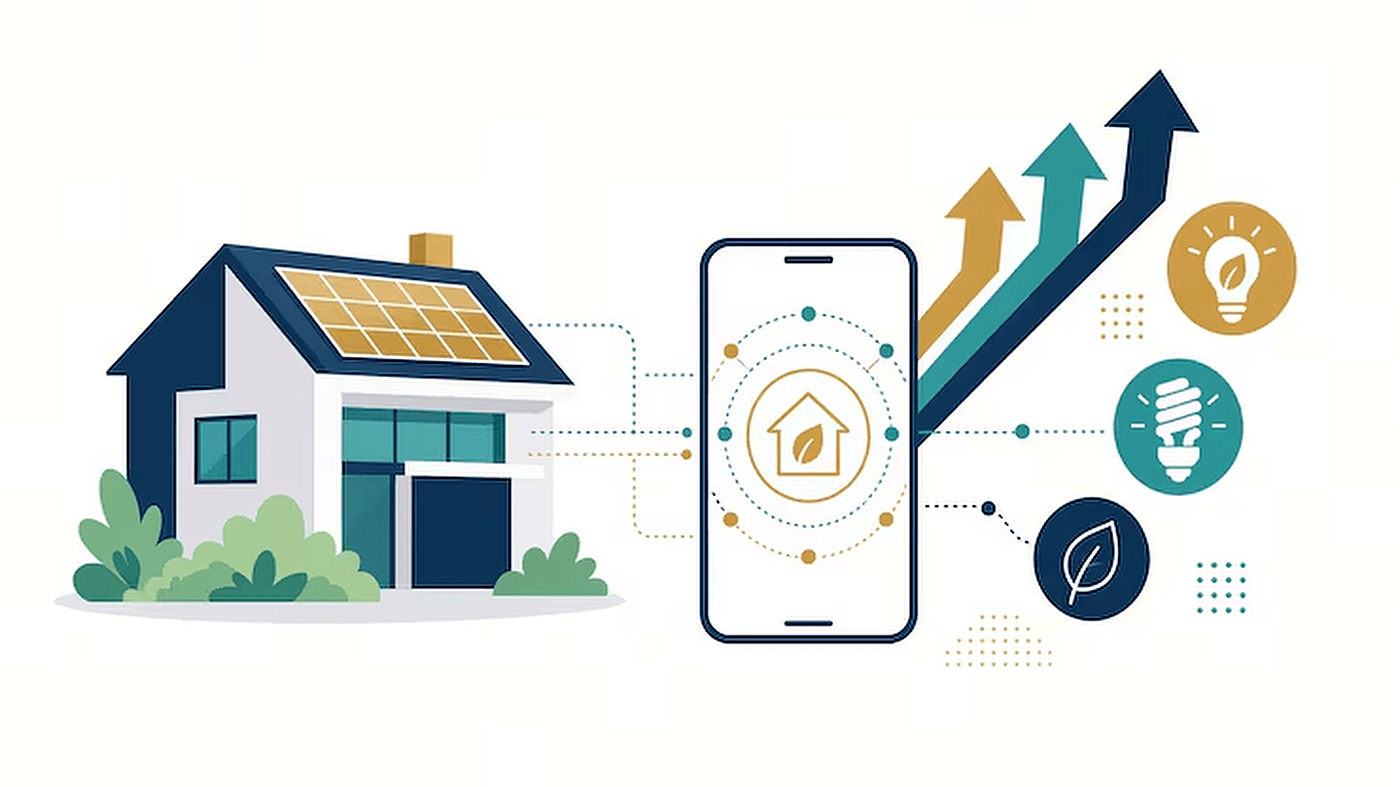

The UK’s transition towards renewable energy is creating new opportunities for sustainable electricity generation. However, producing clean electricity is only one part of the challenge. Ensuring that energy remains available when demand increases or renewable generation falls is equally important.
Changing weather conditions, periods of extreme temperatures and growing electricity consumption are placing additional pressure on the UK’s power network. Solar and wind energy are helping reduce dependence on traditional fossil fuels, but their generation depends on environmental conditions and cannot always match electricity demand.
This is where Long-Duration Energy Storage (LDES) becomes particularly important. By storing surplus electricity and releasing it when required, these technologies can help balance supply and demand, improve grid stability and make renewable energy more dependable.
As the UK expands its renewable energy infrastructure, large-scale energy storage will become an increasingly important part of creating a flexible, resilient and cost-effective electricity system.
What Is Long-Duration Energy Storage?
Long-Duration Energy Storage refers to technologies designed to store electricity and release it over extended periods. Unlike conventional battery systems that generally provide shorter periods of discharge, LDES solutions can deliver stored electricity for eight hours or longer.
These systems help capture surplus renewable electricity during periods of high generation and make it available when production decreases or consumption increases.
Several technologies are being developed and deployed to support long-duration storage, including:
- Pumped hydro storage: Uses surplus electricity to pump water into an elevated reservoir, releasing it through turbines when electricity is needed.
- Lithium-ion battery storage: Stores electricity in rechargeable batteries and can be configured for different storage durations.
- Vanadium redox flow batteries: Use liquid electrolytes to store energy, offering flexibility in scaling storage capacity.
- Compressed air energy storage: Stores energy by compressing air, which can subsequently be released to drive electricity-generating equipment.
- Liquid air energy storage: Uses electricity to cool air into a liquid state, which can later be converted back into gas to generate power.
- Hydrogen energy storage: Uses renewable electricity to produce hydrogen, which can be stored and used later for electricity generation or other energy applications.
Each technology offers different advantages in terms of efficiency, storage duration, installation requirements and operating costs. The right solution depends on the scale and purpose of the energy storage project.
Why Is Long-Duration Energy Storage Important for the UK?
The UK’s electricity network is changing as renewable energy becomes an increasingly important source of power.
Solar farms and wind turbines generate electricity according to available sunlight and wind conditions. Consequently, there can be periods when renewable generation exceeds demand, followed by periods when electricity production is insufficient.
Without sufficient storage capacity, surplus renewable electricity may be wasted, while additional generation may be required during periods of high demand.
Long-duration energy storage can help address this imbalance in several ways.
1. Managing Fluctuations in Renewable Energy Generation
Solar and wind generation naturally fluctuate throughout the day and across different seasons.
Solar panels produce electricity during daylight hours, while wind turbines depend on changing wind conditions. This variability can make it difficult to maintain a consistent electricity supply.
LDES systems can store surplus renewable electricity when generation is high and release it when renewable output decreases.
This helps improve the reliability of renewable energy and reduces the need for conventional backup generation.
2. Improving Energy Security and Grid Stability
Extreme weather, unexpected demand increases and interruptions to electricity generation can create pressure on the national grid.
Long-duration storage provides an additional source of electricity during these challenging periods.
By making stored energy available when required, LDES can help reduce dependence on expensive emergency electricity procurement and support a more reliable energy network.
3. Reducing Renewable Energy Curtailment
Renewable energy installations sometimes generate more electricity than the network can accommodate.
When the electricity system cannot absorb or transport all available generation, renewable generators may be instructed to reduce their output. This is known as curtailment.
Energy storage can help capture some of this surplus electricity and make it available during periods of higher demand.
This improves the utilisation of existing renewable infrastructure and helps maximise the value of clean electricity generation.
4. Supporting More Affordable Electricity
Electricity prices can fluctuate depending on generation availability, demand and network conditions.
Energy storage systems can charge when electricity is relatively inexpensive and discharge when prices increase.
Although storage projects involve significant initial investment, effective deployment can help reduce exposure to expensive peak-period electricity and improve the overall economics of renewable energy.
Government Support for Long-Duration Energy Storage
Developing large-scale energy storage infrastructure requires substantial investment. High installation costs, technology requirements and uncertainty around future revenue can make projects challenging to finance.
To encourage development, the UK has introduced regulatory support mechanisms designed to improve the commercial viability of long-duration storage projects.
One important initiative is Ofgem’s Long-Duration Electricity Storage Cap and Floor Scheme.
The scheme establishes minimum and maximum revenue levels for eligible projects.
- Revenue floor: Provides financial protection when project earnings fall below an agreed minimum.
- Revenue cap: Limits excessive project earnings, with additional revenue returned to consumers through the regulatory arrangements.
The objective is to reduce investment uncertainty while protecting electricity consumers.
Ofgem’s June 2026 provisional selection identified 16 projects representing approximately 7.65GW of power capacity and covering several storage technologies, including lithium-ion batteries, pumped hydro, compressed air and vanadium flow batteries.
This demonstrates the growing importance of energy storage in the UK’s wider renewable energy strategy.
The Growing Role of Battery Energy Storage Systems
Battery Energy Storage Systems (BESS) are becoming an essential component of modern renewable energy infrastructure.
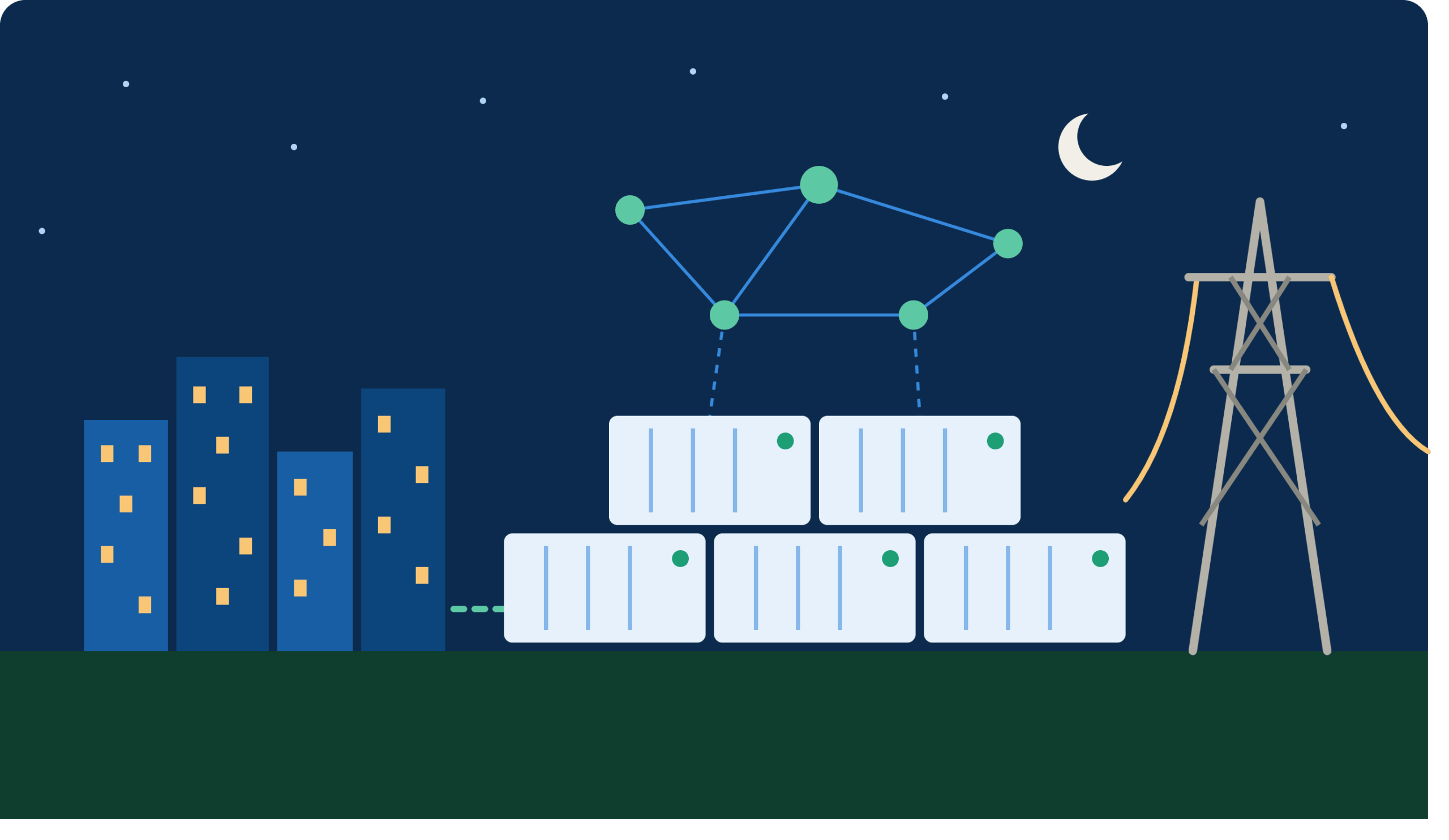
These systems store electricity generated by renewable sources and release it when required. They can also support grid balancing, frequency response and electricity demand management.
Lithium-ion batteries currently account for a significant proportion of grid-scale battery installations because of their established manufacturing processes, efficiency and relatively competitive costs.
However, other battery technologies are also gaining attention.
Vanadium redox flow batteries, for example, offer opportunities for longer-duration energy storage, while advanced battery technologies are being developed to improve performance, durability and operating costs.
Selecting the right battery technology requires consideration of:
- Required storage and discharge duration.
- Charging and discharging efficiency.
- Battery degradation and expected lifespan.
- Operating temperature and environmental conditions.
- Installation and maintenance requirements.
- Equipment warranties and performance guarantees.
- Initial investment and whole-life operating costs.
A combination of different battery technologies and other storage solutions is likely to provide greater flexibility for the UK’s future electricity requirements.
How Energy Storage Can Support Solar Power Generation
Solar energy is one of the most important renewable energy sources contributing to the UK’s transition towards cleaner electricity.
However, solar generation is naturally concentrated during daylight hours, while electricity demand can remain high during the evening and overnight.
Combining solar photovoltaic systems with battery storage can help overcome this limitation.
During sunny periods, solar panels generate electricity that can be used immediately or stored in batteries. The stored energy can then be used when sunlight is unavailable or when household and business electricity requirements increase.
This approach offers several potential benefits:
- Better utilisation of electricity generated by solar panels.
- Reduced reliance on grid electricity during certain periods.
- Improved energy flexibility for homes and businesses.
- Greater opportunities for self-consumption of renewable electricity.
- Support for more efficient energy management.
For businesses, larger solar and battery installations can also help manage electricity consumption and improve the use of on-site renewable generation.
Solar PV Ltd recognises the importance of renewable energy generation in creating a more sustainable energy future. By supporting the adoption of solar photovoltaic technology, Solar PV Ltd contributes to the wider movement towards cleaner electricity and improved energy efficiency.
As battery storage becomes increasingly accessible, combining solar installations with suitable storage solutions can provide households and businesses with greater control over how they generate and use electricity.
While domestic solar batteries are generally designed for shorter storage periods than grid-scale LDES facilities, both technologies contribute to the wider goal of improving renewable energy utilisation.
The Importance of Effective Energy Procurement and Project Planning
Large-scale energy storage projects involve complex procurement, engineering and installation requirements.
Developers must ensure that the selected equipment meets operational expectations while remaining commercially viable throughout its working life.
Several considerations are particularly important.
Equipment Availability and Supply Chain Reliability
Energy storage installations require batteries, transformers, inverters, electrical protection equipment, control systems and other specialist components.
Increasing global demand can affect manufacturing capacity, equipment availability and delivery schedules.
Developers should assess supplier reliability, manufacturing lead times and alternative sourcing arrangements before committing to major projects.
Battery Performance and Degradation
Battery performance can gradually decline through repeated charging and discharging cycles.
Understanding degradation rates, temperature sensitivity and expected operational lifespan is essential when evaluating different storage technologies.
Appropriate warranties and maintenance arrangements can help protect long-term project performance.
Grid Connections and Infrastructure Requirements
Large storage projects require suitable sites, planning permissions and connections to the electricity network.
Delays in planning approval, equipment delivery or grid connection can affect project budgets and commissioning schedules.
Early coordination between developers, suppliers, contractors and network operators can help reduce these risks.
Whole-Life Project Costs
The purchase price of a storage system is only one part of the overall investment.
Project owners must also consider installation, maintenance, replacement components, efficiency losses, operational expenses and eventual decommissioning.
Evaluating whole-life costs provides a more accurate understanding of the financial benefits and long-term viability of different storage technologies.
Challenges Affecting Large-Scale Energy Storage Development
Despite its potential, expanding long-duration energy storage across the UK involves several challenges.
High initial investment: Large-scale storage installations require significant capital for equipment, infrastructure and construction.
Technology limitations: Different storage technologies have varying efficiency levels, discharge durations and operational requirements.
Raw material availability: Certain battery systems depend on specialist minerals and materials that may experience supply-chain constraints.
Planning and regulatory requirements: Large infrastructure developments can involve complex planning approvals and environmental assessments.
Grid connection delays: Limited network capacity and connection constraints can affect project delivery.
Commercial uncertainty: Developers require suitable revenue arrangements to justify investment and ensure long-term operational sustainability.
Addressing these issues will require cooperation between government, regulators, renewable energy developers, manufacturers, investors and energy technology providers.
The Future of Long-Duration Energy Storage in the UK
As the UK continues to increase its renewable energy capacity, the need for reliable and flexible storage infrastructure will become even more important.
Long-duration energy storage can help manage extended periods of low renewable generation, reduce electricity waste and strengthen the resilience of the national grid.
Future developments are likely to involve a combination of advanced battery technologies, pumped hydro, compressed air, liquid air and hydrogen storage.
Improvements in battery chemistry, manufacturing capabilities, energy management software and storage efficiency could also make energy storage more accessible and commercially attractive.
However, achieving widespread deployment will depend on more than technological innovation. Investment, effective procurement, reliable supply chains and supportive regulatory policies will all play an important role.
Building a Cleaner Energy Future with Solar and Storage
The UK’s renewable energy transition requires a balanced approach that combines clean electricity generation, effective storage and smarter energy consumption.
Long-duration energy storage can help address the challenges associated with fluctuating renewable generation while supporting electricity supply security and grid stability.
At the same time, solar photovoltaic installations and battery storage provide practical opportunities for homes and businesses to make better use of renewable electricity.
Solar PV Ltd supports the wider adoption of solar energy as part of the transition towards a cleaner and more sustainable energy system. By encouraging renewable electricity generation and greater awareness of energy storage solutions, the business contributes to a future where clean energy can be used more efficiently.
As investment in renewable infrastructure continues to grow, combining solar power, battery technology and intelligent energy management will be increasingly important in creating a reliable, affordable and sustainable energy future for the UK.