
<!– 
Solar panels are becoming an increasingly popular choice for UK homeowners looking to generate renewable electricity, reduce their reliance on the grid and lower their energy bills. But with the UK’s reputation for cloudy weather, many people still ask: do solar panels actually work in the UK?
The short answer is yes. Solar panels generate electricity from daylight rather than relying solely on bright sunshine, which means they can continue producing energy on cloudy days as well as during periods of direct sunlight.
The amount of electricity a solar PV system produces will vary depending on factors such as location, roof orientation, pitch, shading, system size and the time of year. However, solar energy can be a practical option across much of the UK.
How Much Energy Do Solar Panels Generate in the UK?
Solar panel output depends on the size and efficiency of the system and the conditions at the property.
A typical 4kW solar panel system can generate several thousand kilowatt-hours of electricity per year. Properties in southern parts of England generally receive higher solar yields, while systems in northern England, Scotland and Northern Ireland may produce slightly less.
This regional difference does not mean solar panels are unsuitable for properties further north. Solar PV can still generate useful electricity across the UK, making it important to assess the specific property rather than assuming that local weather makes solar power ineffective.
Do Solar Panels Work on Cloudy Days?
One of the biggest misconceptions about solar panels is that they only work when the sun is shining.
In reality, solar PV panels use available daylight to generate electricity. Their output will generally be lower on heavily overcast days, but they do not simply stop working because the sky is cloudy.
This makes solar panels suitable for the UK’s changeable weather conditions. Even though the UK receives less sunshine than some southern European countries, there is still sufficient daylight throughout the year for solar PV systems to generate renewable electricity.
Does Location Affect Solar Panel Performance?
Yes. Solar panel performance varies across the UK.
Southern regions generally benefit from higher annual solar irradiation, while northern areas tend to receive lower levels. However, the difference is not necessarily large enough to rule out solar installation.
Factors such as the direction your roof faces, its angle, shading from nearby buildings or trees and the efficiency of the panels can have a significant effect on overall generation.
For this reason, a professional solar assessment is more useful than simply comparing sunshine levels between different parts of the UK.
Do Solar Panels Work in Winter?
Solar panels continue to generate electricity throughout winter, but their output is normally lower than during the summer months.
There are several reasons for this. Winter has shorter daylight hours, the sun sits lower in the sky and weather conditions are often less favourable for solar generation.
Summer typically provides the highest solar output, while winter generation can be considerably lower. This seasonal variation is an important consideration when planning a solar PV system.
However, winter generation can still contribute towards household electricity use and reduce the amount of electricity required from the grid.
Solar Panels and Battery Storage
Solar panels generate electricity when daylight is available, which means production does not always match household demand.
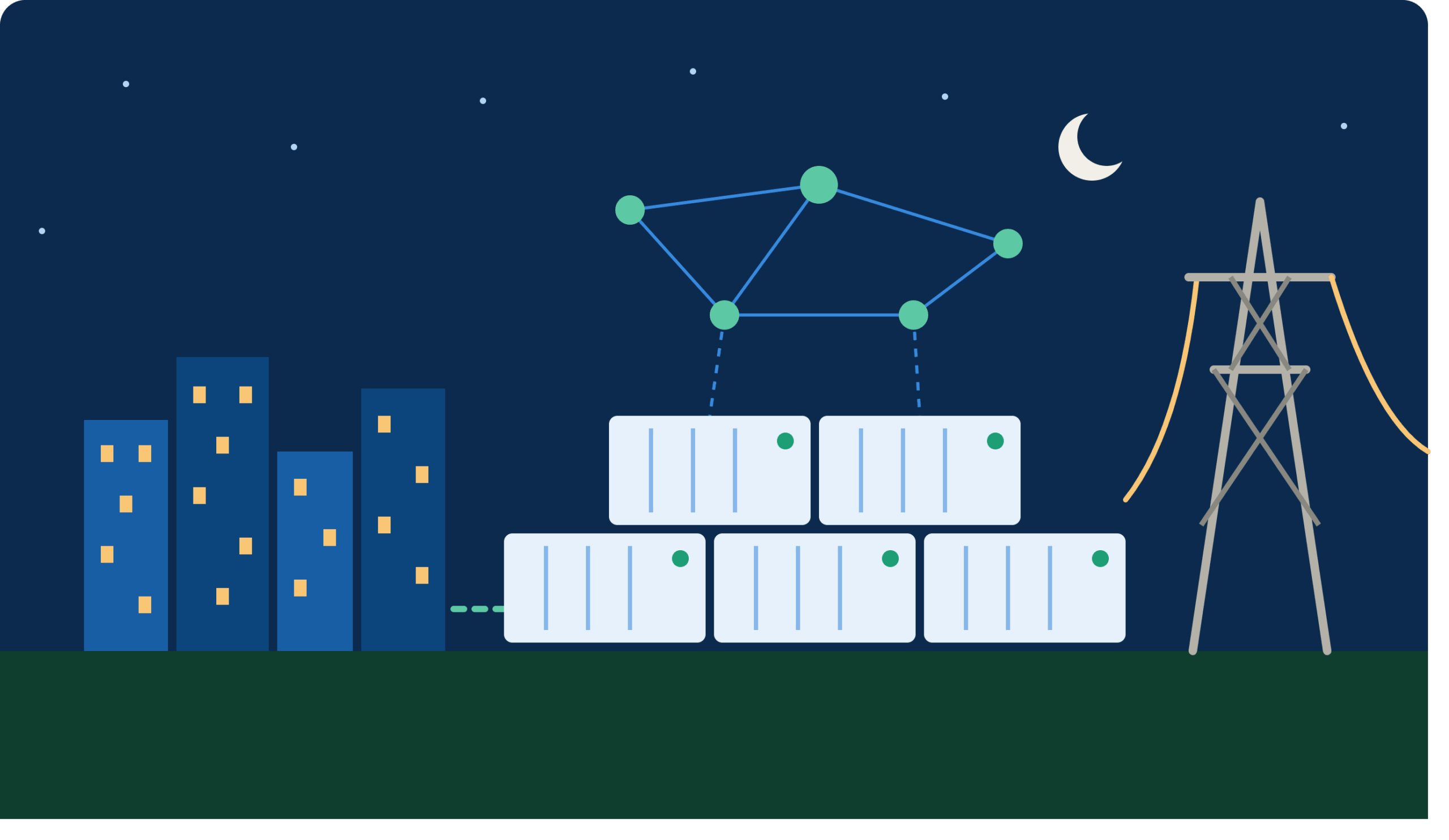
For example, a home may generate significant amounts of electricity during the middle of the day when occupants are at work or school. A solar battery storage system can store some of this excess electricity for use later.
Combining solar panels with battery storage can therefore help households make greater use of their own renewable electricity and reduce reliance on grid electricity during the evening.
Smart energy tariffs can also be considered as part of a wider home energy strategy, depending on the household’s usage and available tariff options.
What Affects Solar Panel Output?
Several factors can influence how much electricity your solar panels generate, including:
- System size – Larger systems can generate more electricity where sufficient roof space is available.
- Roof orientation – The direction a roof faces can affect solar generation.
- Roof pitch – The angle of the panels influences how much sunlight they receive.
- Shading – Trees, chimneys and surrounding buildings can reduce output.
- Panel efficiency – Modern panels can make effective use of available daylight.
- Location – Solar irradiation varies across different parts of the UK.
- Weather – Cloud cover affects generation, although panels can still produce electricity in overcast conditions.
- Maintenance – Keeping the system in good condition can help maintain performance.
A professional installer can assess these factors and estimate the likely annual generation for your property.
Are Solar Panels Worth It in the UK?
For many UK properties, solar panels can provide a practical way to generate renewable electricity and reduce dependence on the grid.
However, whether a system represents good value depends on individual circumstances. Factors such as installation costs, electricity consumption, available roof space, system size, battery storage and how much of the generated electricity is used within the property will all influence the potential financial benefits.
Rather than relying on general national averages, homeowners should obtain a property-specific solar assessment and compare the expected generation with their current and anticipated energy use.
Choosing Solar Panels for Your UK Property
Solar panels can work effectively across many different types of UK properties, from homes in southern England to properties in northern regions and Scotland.
The key is choosing a suitably designed system for the property. A qualified installer can assess your roof, estimate expected electricity generation and recommend an appropriate system based on your energy requirements.
With the right design, solar PV can help UK homeowners generate renewable electricity, make better use of available roof space and potentially reduce their long-term energy costs.
Frequently Asked Questions
Do solar panels work in cloudy UK weather?
Yes. Solar panels generate electricity from daylight, so they can continue producing power during cloudy weather, although output will generally be lower than on bright, sunny days.
How much electricity can solar panels generate in the UK?
Generation depends on system size, location, roof orientation, shading and other factors. A typical domestic system can generate several thousand kilowatt-hours of electricity annually.
Do solar panels work in winter?
Yes. Solar panels continue to generate electricity during winter, but output is usually lower because there are fewer daylight hours and the sun is lower in the sky.
Which part of the UK is best for solar panels?
Southern parts of England generally receive higher levels of solar irradiation, but solar panels can work effectively across the UK when the system is properly designed for the property.
Can solar panels work on a north-facing roof?
Roof orientation can affect solar generation, but suitability depends on the roof’s exact direction, pitch, shading and surrounding conditions. A professional assessment can determine whether installation is appropriate.
Are solar panels suitable for UK homes?
Solar PV can be suitable for many UK homes, provided the roof and property conditions are appropriate. A professional survey can help establish the expected performance and potential benefits.
Should I combine solar panels with a battery?
Battery storage can help store surplus electricity generated during the day for use later. Whether it is worthwhile depends on your energy consumption, generation profile and available energy tariffs.
How can I find out how much solar energy my home could generate?
A qualified solar installer can assess your property’s location, roof orientation, pitch, shading and available roof space to provide an estimate of potential annual generation.
Do Solar Panels Work in the UK? Solar Panel Performance, Output & Benefits
Solar panels are becoming an increasingly popular choice for UK homeowners looking to generate renewable electricity, reduce their reliance on the grid and lower their energy bills. But with the UK’s reputation for cloudy weather, many people still ask: do solar panels actually work in the UK?
The short answer is yes. Solar panels generate electricity from daylight rather than relying solely on bright sunshine, which means they can continue producing energy on cloudy days as well as during periods of direct sunlight.
The amount of electricity a solar PV system produces will vary depending on factors such as location, roof orientation, pitch, shading, system size and the time of year. However, solar energy can be a practical option across much of the UK.
How Much Energy Do Solar Panels Generate in the UK?
Solar panel output depends on the size and efficiency of the system and the conditions at the property.
A typical 4kW solar panel system can generate several thousand kilowatt-hours of electricity per year. Properties in southern parts of England generally receive higher solar yields, while systems in northern England, Scotland and Northern Ireland may produce slightly less.
This regional difference does not mean solar panels are unsuitable for properties further north. Solar PV can still generate useful electricity across the UK, making it important to assess the specific property rather than assuming that local weather makes solar power ineffective.
Do Solar Panels Work on Cloudy Days?
One of the biggest misconceptions about solar panels is that they only work when the sun is shining.
In reality, solar PV panels use available daylight to generate electricity. Their output will generally be lower on heavily overcast days, but they do not simply stop working because the sky is cloudy.
This makes solar panels suitable for the UK’s changeable weather conditions. Even though the UK receives less sunshine than some southern European countries, there is still sufficient daylight throughout the year for solar PV systems to generate renewable electricity.
Does Location Affect Solar Panel Performance?
Yes. Solar panel performance varies across the UK.
Southern regions generally benefit from higher annual solar irradiation, while northern areas tend to receive lower levels. However, the difference is not necessarily large enough to rule out solar installation.
Factors such as the direction your roof faces, its angle, shading from nearby buildings or trees and the efficiency of the panels can have a significant effect on overall generation.
For this reason, a professional solar assessment is more useful than simply comparing sunshine levels between different parts of the UK.
Do Solar Panels Work in Winter?
Solar panels continue to generate electricity throughout winter, but their output is normally lower than during the summer months.
There are several reasons for this. Winter has shorter daylight hours, the sun sits lower in the sky and weather conditions are often less favourable for solar generation.
Summer typically provides the highest solar output, while winter generation can be considerably lower. This seasonal variation is an important consideration when planning a solar PV system.
However, winter generation can still contribute towards household electricity use and reduce the amount of electricity required from the grid.
Solar Panels and Battery Storage
Solar panels generate electricity when daylight is available, which means production does not always match household demand.
For example, a home may generate significant amounts of electricity during the middle of the day when occupants are at work or school. A solar battery storage system can store some of this excess electricity for use later.
Combining solar panels with battery storage can therefore help households make greater use of their own renewable electricity and reduce reliance on grid electricity during the evening.
Smart energy tariffs can also be considered as part of a wider home energy strategy, depending on the household’s usage and available tariff options.
What Affects Solar Panel Output?
Several factors can influence how much electricity your solar panels generate, including:
- System size – Larger systems can generate more electricity where sufficient roof space is available.
- Roof orientation – The direction a roof faces can affect solar generation.
- Roof pitch – The angle of the panels influences how much sunlight they receive.
- Shading – Trees, chimneys and surrounding buildings can reduce output.
- Panel efficiency – Modern panels can make effective use of available daylight.
- Location – Solar irradiation varies across different parts of the UK.
- Weather – Cloud cover affects generation, although panels can still produce electricity in overcast conditions.
- Maintenance – Keeping the system in good condition can help maintain performance.
A professional installer can assess these factors and estimate the likely annual generation for your property.
Are Solar Panels Worth It in the UK?
For many UK properties, solar panels can provide a practical way to generate renewable electricity and reduce dependence on the grid.
However, whether a system represents good value depends on individual circumstances. Factors such as installation costs, electricity consumption, available roof space, system size, battery storage and how much of the generated electricity is used within the property will all influence the potential financial benefits.
Rather than relying on general national averages, homeowners should obtain a property-specific solar assessment and compare the expected generation with their current and anticipated energy use.
Choosing Solar Panels for Your UK Property
Solar panels can work effectively across many different types of UK properties, from homes in southern England to properties in northern regions and Scotland.
The key is choosing a suitably designed system for the property. A qualified installer can assess your roof, estimate expected electricity generation and recommend an appropriate system based on your energy requirements.
With the right design, solar PV can help UK homeowners generate renewable electricity, make better use of available roof space and potentially reduce their long-term energy costs.
Frequently Asked Questions
Do solar panels work in cloudy UK weather?
Yes. Solar panels generate electricity from daylight, so they can continue producing power during cloudy weather, although output will generally be lower than on bright, sunny days.
How much electricity can solar panels generate in the UK?
Generation depends on system size, location, roof orientation, shading and other factors. A typical domestic system can generate several thousand kilowatt-hours of electricity annually.
Do solar panels work in winter?
Yes. Solar panels continue to generate electricity during winter, but output is usually lower because there are fewer daylight hours and the sun is lower in the sky.
Which part of the UK is best for solar panels?
Southern parts of England generally receive higher levels of solar irradiation, but solar panels can work effectively across the UK when the system is properly designed for the property.
Can solar panels work on a north-facing roof?
Roof orientation can affect solar generation, but suitability depends on the roof’s exact direction, pitch, shading and surrounding conditions. A professional assessment can determine whether installation is appropriate.
Are solar panels suitable for UK homes?
Solar PV can be suitable for many UK homes, provided the roof and property conditions are appropriate. A professional survey can help establish the expected performance and potential benefits.
Should I combine solar panels with a battery?
Battery storage can help store surplus electricity generated during the day for use later. Whether it is worthwhile depends on your energy consumption, generation profile and available energy tariffs.
How can I find out how much solar energy my home could generate?
A qualified solar installer can assess your property’s location, roof orientation, pitch, shading and available roof space to provide an estimate of potential annual generation.