
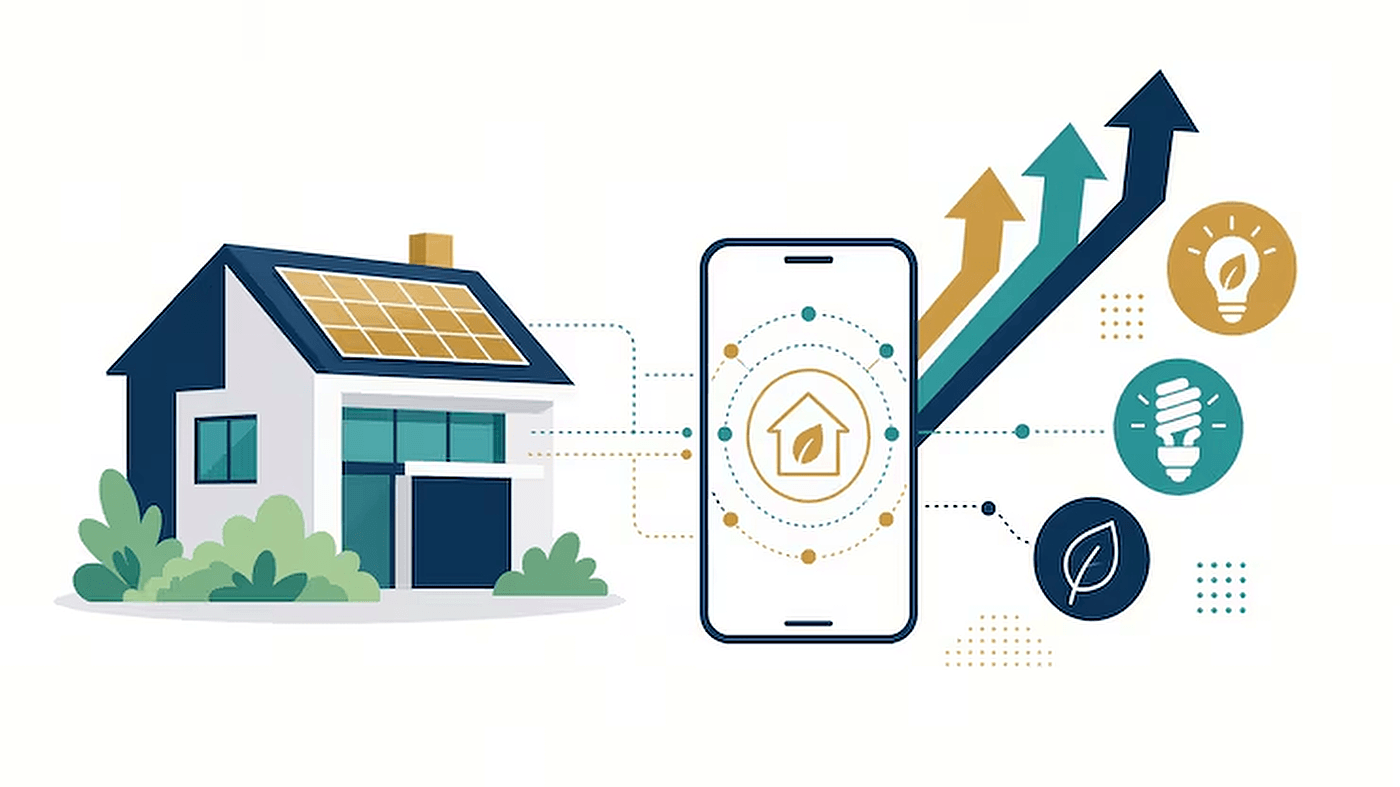
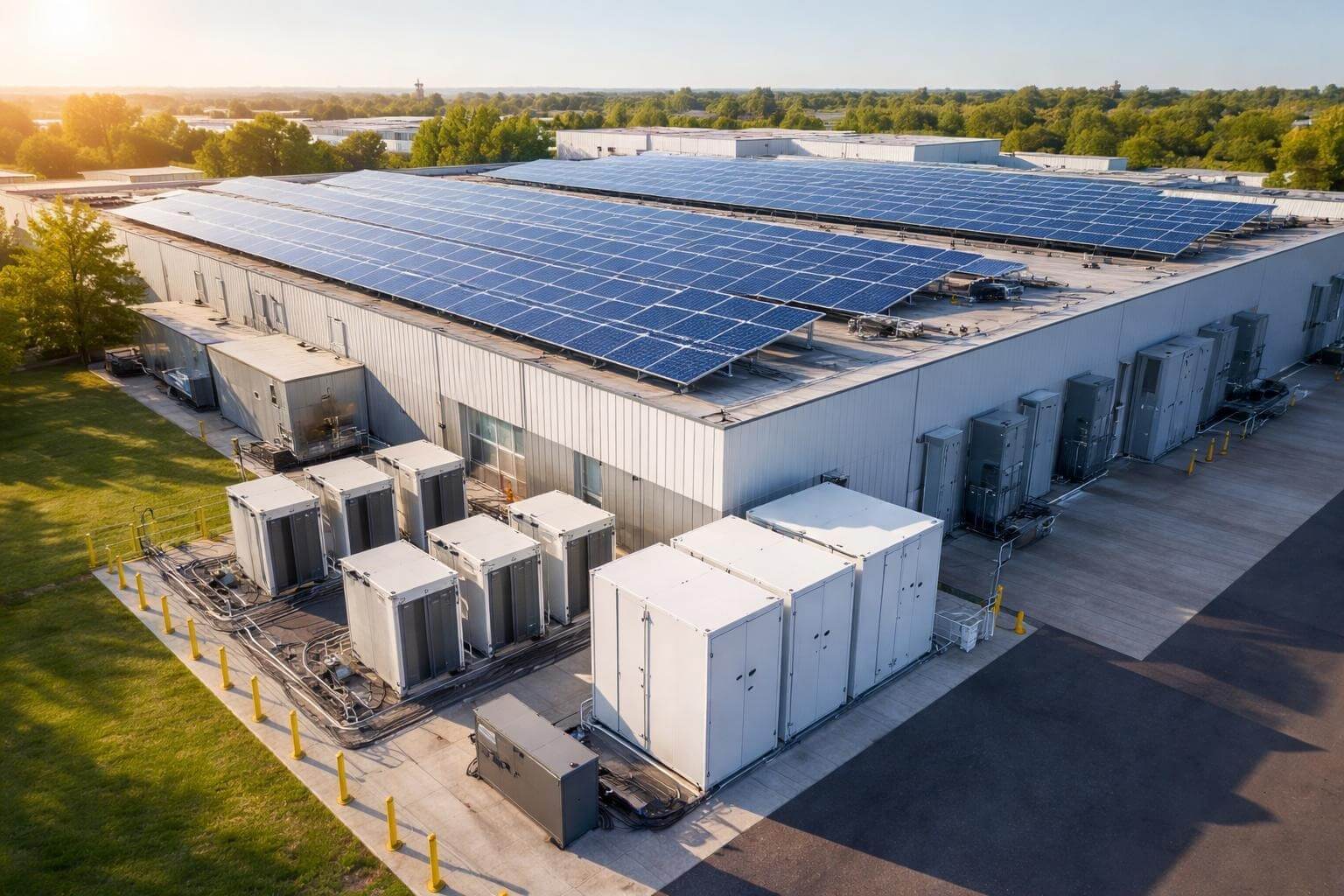
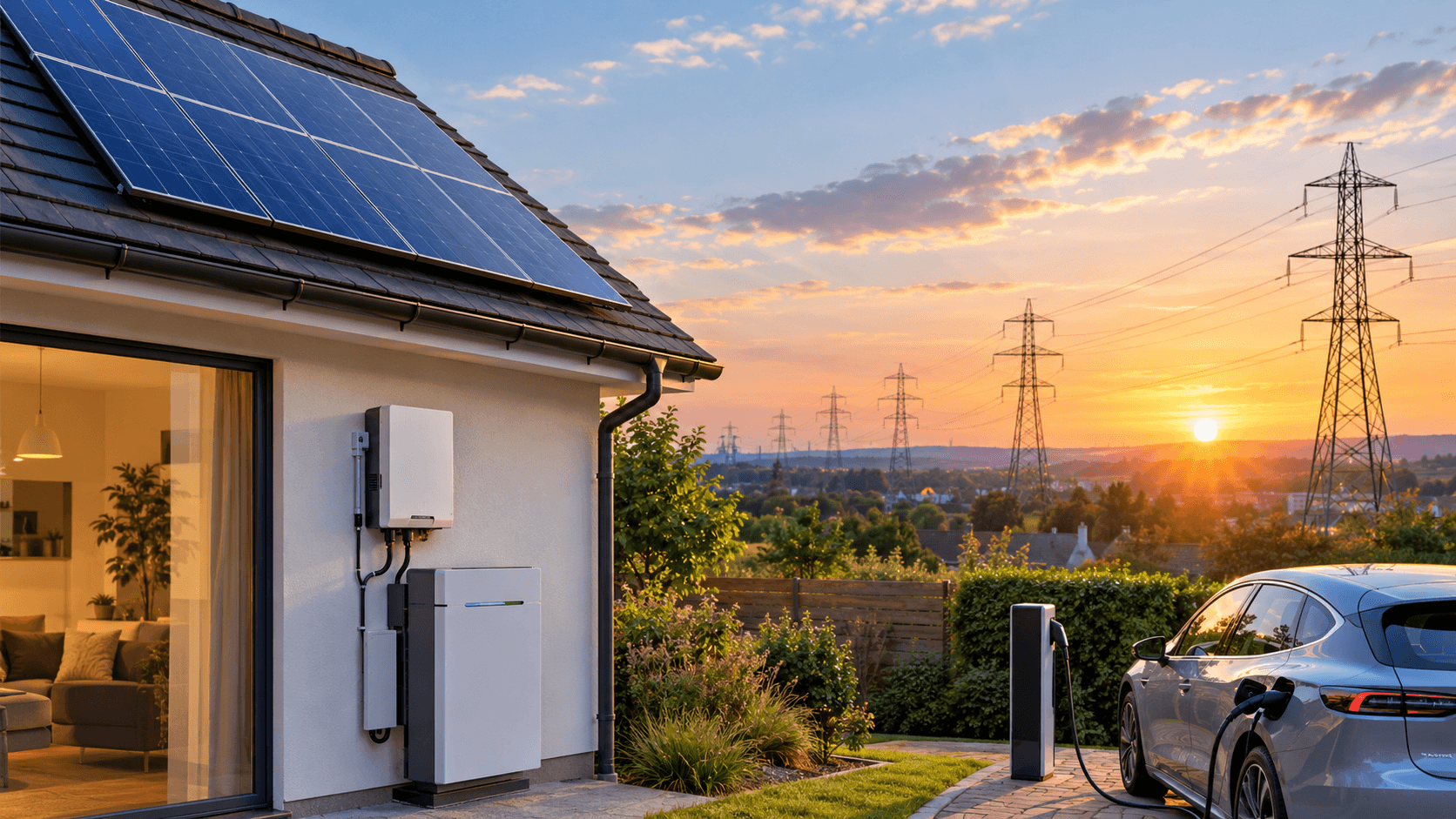

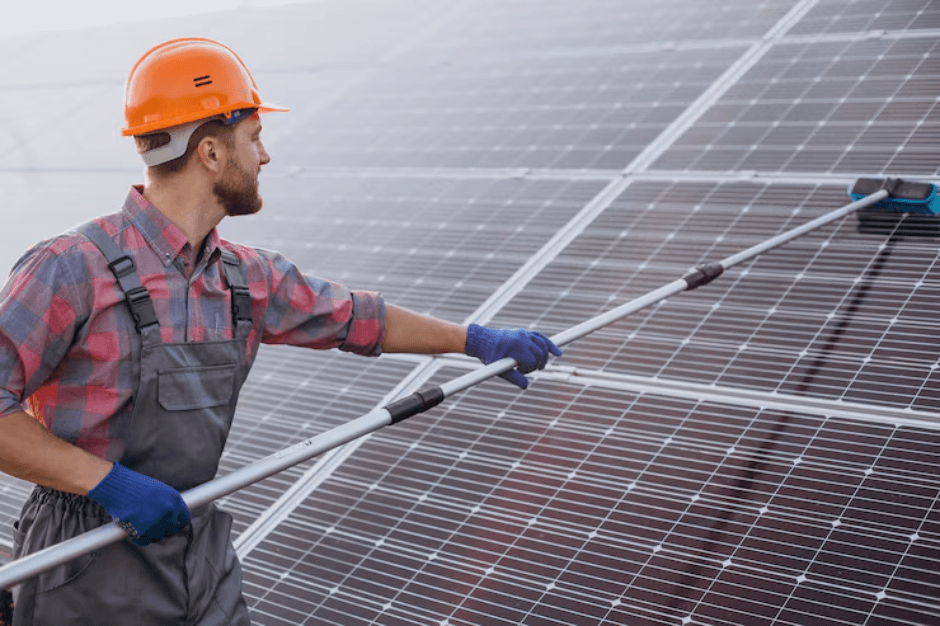

Britain is embracing solar power at an impressive pace. From rooftop solar panels to plug-in solar systems, more households are looking for simple ways to generate their own electricity, reduce energy bills and make better use of renewable energy.
Plug-in solar is particularly attractive because it can offer a relatively straightforward route into solar generation without the scale of a traditional rooftop installation. But as more households generate electricity independently, an important question is emerging: can the UK electricity grid keep up with the rapid growth of small-scale solar generation?
The answer is not necessarily a simple yes or no. Plug-in solar could form an important part of Britain’s renewable energy future, but its expansion also creates challenges around grid capacity, electricity flows, safety, monitoring and managing supply and demand.
This article explores the growth of plug-in solar in the UK, why it is becoming popular and what needs to happen to ensure Britain’s electricity network is ready for a more decentralised energy system.
What Is Plug-In Solar?
Plug-in solar refers to small-scale solar generation systems designed to supply electricity directly to a property through a suitable electrical connection rather than relying solely on a conventional, professionally installed rooftop solar system.
The appeal is obvious. Traditional solar PV installations can involve surveying a property, installing panels, fitting an inverter and connecting the system to the home’s electrical infrastructure. Plug-in systems aim to simplify the process and make smaller-scale solar generation more accessible.
For homeowners, the potential benefits include:
- Generating renewable electricity at home
- Reducing reliance on electricity from the grid
- Potentially lowering energy bills
- Making use of balconies, gardens, outbuildings or other suitable spaces
- Increasing household participation in renewable energy
- Complementing other energy technologies such as batteries and smart meters
However, easy installation does not mean zero technical considerations. Any equipment connected to a home’s electrical system needs to be appropriately designed, installed and used.
Why Is Plug-In Solar Becoming More Popular in Britain?
The UK’s interest in domestic solar has grown alongside concerns about energy prices, energy security and climate change.
For many homeowners, solar panels are no longer viewed purely as an environmental investment. They are increasingly seen as a way of improving household energy resilience and controlling long-term energy costs.
The wider growth of home energy technologies is also changing the role of the homeowner.
A traditional electricity system largely worked on the basis that electricity was generated centrally and then distributed to consumers.
Today, a household could simultaneously have:
- Solar panels
- A home battery
- An electric vehicle
- A heat pump
- Smart appliances
- Time-of-use electricity tariffs
That means the home is becoming both a consumer and producer of electricity.
Plug-in solar fits naturally into this changing energy landscape because it allows smaller-scale generation to become part of the wider electricity system.
The Grid Wasn’t Designed for Millions of Small Generators
One of the biggest challenges is that Britain’s electricity network was historically designed around relatively predictable power flows.
Large power stations generated electricity, which travelled through transmission and distribution networks before reaching homes and businesses.
Solar changes that model.
On a bright day, thousands of homes can generate electricity at roughly the same time. If household demand is low, some of that electricity may flow back towards the local network.
This creates a different set of challenges for distribution networks.
The issue isn’t necessarily that one small solar installation will overwhelm the electricity grid. Instead, the concern comes from large numbers of installations operating simultaneously within the same local area.
A street with a handful of solar systems may behave very differently from a neighbourhood where a large proportion of properties are generating electricity during sunny periods.
The Solar Surge and Local Grid Capacity
One of the most important issues surrounding solar power in the UK is local network capacity.
Electricity distribution networks have limits. Transformers, cables and other infrastructure are designed to operate within particular electrical parameters.
When generation increases significantly in one area, the network may experience:
- Higher local voltage
- Reverse power flows
- Increased demands on transformers
- Greater complexity in balancing electricity
- Challenges connecting additional generation
- Greater need for real-time monitoring
These issues can become particularly noticeable during periods of high solar generation and relatively low household demand.
For example, imagine a sunny spring afternoon.
Many households are out, children are at school and workplaces are operating elsewhere. At the same time, hundreds of solar systems across a neighbourhood could be generating electricity.
If local consumption is low, more electricity may be pushed back into the distribution network.
That doesn’t mean the grid automatically “goes dark”. Instead, it highlights why smart grid management and network investment are becoming increasingly important.
Could Plug-In Solar Cause Blackouts?
The phrase “leave the grid in the dark” makes for a striking headline, but the reality is more nuanced.
Plug-in solar itself isn’t inherently a threat to Britain’s electricity supply.
The bigger challenge is how rapidly distributed generation is added and how effectively the network is upgraded to manage it.
A modern electricity grid needs to balance generation and consumption continuously. Solar generation is variable: it changes according to daylight, weather and seasonal conditions.
That means the electricity system needs flexibility.
When solar generation is high, excess electricity needs to be:
- Used locally
- Stored in batteries
- Exported to the wider network
- Used by flexible technologies
- Managed through smart energy systems
When solar production falls, electricity needs to come from other sources.
This is why solar expansion cannot be considered in isolation. It needs to develop alongside energy storage, smart meters, flexible demand, grid upgrades and other forms of renewable generation.
The Importance of Solar Batteries
Home batteries could become increasingly important as Britain’s solar market expands.
Without storage, a household with solar panels may generate the most electricity during the middle of the day—when the household may not need much of it.
A battery can store surplus electricity and make it available later.
For example:
Daytime: Solar generates more electricity than the household needs.
Afternoon: Excess generation charges the battery.
Evening: Household demand increases and stored electricity can be used.
This approach can reduce the amount of electricity exported to the grid and increase the amount of solar energy consumed within the property.
At a wider level, millions of smart batteries could potentially become part of a more flexible energy system.
Smart Energy Could Be the Solution
The future of Britain’s electricity grid is likely to depend increasingly on smart energy management.
Instead of simply producing electricity whenever renewable generation is available, homes could eventually coordinate when electricity is generated, stored and consumed.
Smart systems could help households automatically adjust demand according to:
- Solar generation
- Electricity prices
- Grid demand
- Battery capacity
- Electric vehicle charging requirements
- Heat pump operation
For example, an EV could be programmed to charge when solar generation is high rather than automatically charging immediately after arriving home.
Similarly, a washing machine, dishwasher or hot-water system could operate during periods when renewable electricity is plentiful.
This concept is often described as demand-side flexibility.
Plug-In Solar and Britain’s Net Zero Ambitions
The UK has ambitious renewable energy and decarbonisation objectives.
Solar power has an important role to play because it can be deployed at many different scales—from large solar farms to individual homes.
Small-scale generation can also help households become more active participants in the energy transition.
But increasing generation alone isn’t enough.
Britain needs an electricity system capable of handling renewable energy efficiently.
That means investment in:
- Distribution networks
- Electricity storage
- Smart meters
- Flexible energy technologies
- Digital grid management
- Battery systems
- Renewable generation
- Consumer energy management
The challenge is therefore not whether Britain should embrace solar. It is how quickly the supporting infrastructure can evolve alongside it.
What Does This Mean for Homeowners?
For homeowners considering plug-in solar or conventional solar PV, the situation shouldn’t necessarily be viewed as a reason to avoid solar.
Instead, it is a reminder that solar is part of a much larger energy system.
Before installing any solar technology, homeowners should consider:
1. Electrical compatibility
The property’s existing electrical system needs to be suitable for the proposed equipment.
2. Installation requirements
Solar equipment should comply with applicable UK electrical and safety requirements and be installed appropriately.
3. Export arrangements
If electricity is going to be exported to the grid, homeowners should understand the relevant requirements and arrangements.
4. Energy consumption
Solar works particularly well when households can use a meaningful proportion of the electricity they generate.
5. Battery storage
A battery may improve the ability to use solar electricity later in the day, although whether it makes financial sense depends on the property and energy-use pattern.
6. Future energy needs
Homeowners should also think beyond solar panels. An EV, heat pump or home battery could significantly change future electricity demand.
The Bigger Picture: From Energy Consumers to Energy Producers
Perhaps the most interesting aspect of Britain’s plug-in solar growth isn’t the technology itself.
It’s the changing role of the homeowner.
The traditional relationship was straightforward:
Grid → Home → Electricity consumption
The emerging model is much more dynamic:
Grid ↔ Home ↔ Solar ↔ Battery ↔ EV ↔ Smart devices
Homes are becoming small energy hubs.
That creates enormous opportunities but also requires a smarter electricity network.
If managed properly, distributed solar could help Britain reduce carbon emissions, improve energy resilience and reduce dependence on conventional generation.
If growth happens without sufficient planning, however, local network constraints could become increasingly difficult to manage.
So, Is Plug-In Solar a Problem or an Opportunity?
Ultimately, it is both a challenge and an opportunity.
The rapid expansion of plug-in solar in Britain demonstrates how quickly consumer energy technology is changing. It gives households greater control over electricity generation and creates another route for renewable energy to enter the system.
But the electricity grid needs to evolve at the same time.
Britain’s future energy system will require more than solar panels. It will need smarter networks, better storage, flexible electricity demand and continued investment in infrastructure.
The goal shouldn’t be to slow down household solar. Instead, the priority should be making sure the grid is ready for it.
Conclusion
Britain’s growing appetite for plug-in solar reflects a much broader shift towards decentralised renewable energy. As more homes generate their own electricity, the traditional one-way electricity network is gradually becoming a two-way system.
That transformation brings challenges, particularly around local grid capacity, voltage management and balancing supply and demand.
However, with the right investment in smart grids, battery storage, flexible demand and renewable energy infrastructure, plug-in solar could become an important part of Britain’s low-carbon energy future.
The real question isn’t whether Britain can afford to embrace more solar power. It’s whether the country’s electricity infrastructure can evolve quickly enough to make the most of it.