

Discover how commercial solar panels can reduce business energy costs, improve energy efficiency and support long-term sustainability goals across the UK.
Why Commercial Solar Is Becoming a Smart Business Investment
With energy costs continuing to influence business overheads, more UK companies are looking for reliable ways to reduce their dependence on grid electricity. Commercial solar panels offer an increasingly attractive solution, allowing businesses to generate clean electricity directly from their own premises.
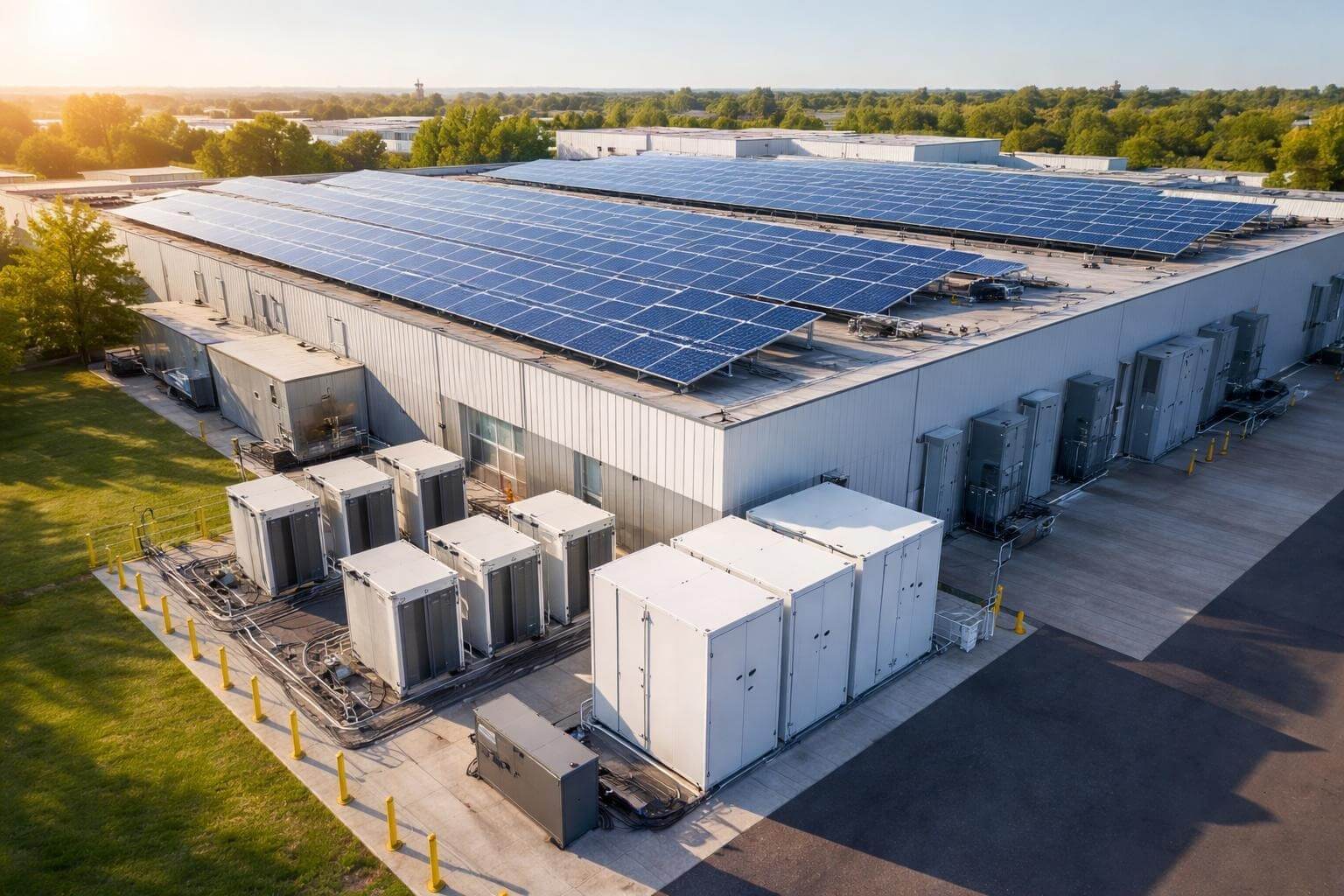
From warehouses and factories to offices, retail units, farms, schools and other commercial buildings, solar PV can turn unused roof space into a valuable source of renewable energy.
The benefits extend beyond lower electricity bills. A well-designed commercial solar PV system can help businesses:
- Reduce reliance on grid electricity
- Lower long-term energy costs
- Protect against future energy price increases
- Reduce carbon emissions
- Support ESG and sustainability objectives
- Improve energy efficiency
- Increase the value and appeal of commercial property
- Work alongside battery storage for greater energy independence
For businesses with substantial daytime electricity consumption, the financial case for solar can be particularly compelling.
Is Commercial Solar Suitable for Your Business?
Commercial solar panels can work across a wide range of sectors, but some businesses are particularly well suited to solar energy.
A commercial solar installation is often a strong option if your business has:
High Daytime Energy Usage
Businesses using significant amounts of electricity during daylight hours can consume a large proportion of their solar generation directly.
This can be particularly beneficial for:
- Manufacturing facilities
- Engineering businesses
- Food production
- Warehouses
- Distribution centres
- Offices
- Retail premises
- Hotels
- Agricultural buildings
Suitable Roof Space
Large commercial roofs can provide considerable space for solar panels. South-facing roofs can be particularly productive, although east- and west-facing roofs can also provide excellent results depending on the building and electricity demand.
A professional installer should assess:
- Roof orientation
- Available roof area
- Shading
- Roof condition
- Structural capacity
- Existing equipment
- Access and maintenance requirements
Long-Term Occupancy
Solar PV generally makes the most financial sense when a business expects to remain in the property for several years.
For leased premises, it is possible to install solar with the agreement of the property owner. Businesses should discuss the installation with their landlord before proceeding.
Commercial Solar Panel System Sizes
The right solar PV system depends on the size of the building, available roof area, electricity consumption and budget.
Indicative system sizes include:
| System Size | Typical Application | Indicative Cost* | Potential Annual Saving* |
| 20–30kW | Office or small industrial unit | £25,000–£40,000 | £6,000–£10,000 |
| 50–100kW | Warehouse, school or medium commercial property | £55,000–£100,000 | £14,000–£25,000 |
| 150–250kW | Large industrial or commercial building | £130,000–£200,000 | £38,000–£60,000 |
| 500kW–1MW | Distribution centre or large commercial site | £400,000–£800,000 | £130,000–£250,000+ |
Costs and savings are indicative only. Actual figures vary according to system design, roof characteristics, equipment, electricity consumption, installation requirements and energy prices.
Rather than choosing a system based purely on available roof space, a commercial solar installer should design the system around your business’s actual electricity usage.
How Much Can Commercial Solar Save?
The potential savings from commercial solar depend on several factors.
These include:
- Electricity consumption
- Electricity tariff
- Solar system size
- Roof orientation
- Shading
- Panel efficiency
- Business operating hours
- Amount of electricity used directly
- Electricity exported to the grid
- Battery storage capacity
One of the most important considerations is self-consumption.
If your business uses electricity during the day, much of the solar power can potentially be consumed on-site rather than purchased from the grid. This can significantly improve the financial return of the installation.
A professional feasibility assessment should therefore consider your actual half-hourly or interval electricity consumption rather than relying on generic estimates.
Commercial Solar Payback Period
The payback period for a commercial solar installation varies considerably from one business to another.
Many commercial systems can achieve payback within several years, although the exact timeframe depends on installation costs, energy prices, system performance and electricity consumption.
Once the initial investment has been recovered, the solar installation can continue generating electricity for many years.
Modern solar panels are designed for long-term operation, making commercial solar a potential long-term asset rather than a short-term energy-saving measure.
DNO Requirements for Commercial Solar
One of the most important technical considerations when installing commercial solar panels in Great Britain is the Distribution Network Operator (DNO) connection process.
The DNO manages the local electricity distribution network and determines whether a proposed solar installation can connect to the grid.
Depending on the size and characteristics of the installation, different connection requirements may apply.
G98 and G99
Smaller systems may fall under G98 requirements, while larger commercial systems generally require a formal G99 application.
For larger solar PV installations, the DNO may need to assess:
- Proposed generation capacity
- Existing electrical infrastructure
- Network capacity
- Export levels
- Protection settings
- Connection requirements
- Potential reinforcement requirements
This is why choosing an installer with experience in commercial solar and DNO applications is important.
A thorough feasibility assessment can identify potential grid-connection issues before significant costs are committed.
Planning Permission for Commercial Solar Panels
Planning requirements depend on the type of property, location and proposed installation.
Some rooftop solar installations may benefit from permitted development rights, while planning permission can be required in other circumstances.
Additional considerations may apply to:
- Listed buildings
- Conservation areas
- National Parks
- World Heritage Sites
- Ground-mounted solar installations
- Larger or unusual installations
Planning rules can change and may depend on the specific project, so businesses should obtain professional advice before installation.
Commercial Solar Panels and Business Tax
The financial benefits of commercial solar can extend beyond electricity savings.
Depending on the circumstances and the business’s tax position, capital allowances may provide opportunities to reduce taxable profits.
Businesses should also consider the current treatment of:
- Capital expenditure
- Capital allowances
- VAT
- Business rates
- Solar PV equipment
- Battery storage
Tax rules can change, so businesses should obtain current advice from a qualified accountant or tax professional before making investment decisions.
Commercial Solar Battery Storage
Solar panels generate electricity during daylight hours, but businesses may also require electricity outside peak solar-generation periods.
This is where commercial battery storage can add significant value.
A battery energy storage system (BESS) can store surplus solar electricity for use later.
Potential benefits include:
Increase Solar Self-Consumption
Instead of exporting unused solar electricity, a battery can store surplus generation for use when the business needs it.
Reduce Peak Electricity Demand
Battery storage can help businesses manage periods of high electricity demand, potentially reducing certain demand-related costs depending on the site’s tariff and network arrangements.
Improve Energy Resilience
Battery systems can contribute to energy resilience, although backup operation depends on the system design and appropriate electrical configuration.
Optimise Energy Purchasing
Where suitable tariffs are available, batteries can potentially be charged during lower-cost periods and discharged when electricity prices are higher.
Commercial battery systems range from relatively small installations to multi-megawatt-hour projects, depending on the site’s requirements.
Solar Export and Selling Surplus Electricity
A commercial solar system may sometimes generate more electricity than the business needs.
Depending on the installation and electricity agreement, surplus power can potentially be exported to the grid.
However, businesses should not size a solar system solely around export revenue.
The strongest financial returns will often come from maximising the amount of solar electricity consumed directly on-site.
A detailed financial model should therefore consider both:
On-site solar consumption + potential export income
rather than relying on export payments alone.
Choosing a Commercial Solar Installer
Choosing the right installation company is one of the most important decisions in a commercial solar project.
A commercial solar installation involves considerably more than fitting panels to a roof. It can involve electrical design, structural assessment, planning, DNO applications, project management, commissioning and long-term maintenance.
When comparing installers, consider whether they provide:
1. Detailed System Design
Your installer should provide a properly engineered design based on your building and energy consumption.
This should take account of factors such as roof orientation, shading, panel layout and expected generation.
2. Solar Yield Forecasting
Ask for realistic generation estimates rather than generic claims.
A professional yield assessment can help establish expected annual electricity production and potential savings.
3. DNO Support
For larger commercial systems, the installer should be capable of managing the appropriate DNO application and connection process.
4. Structural Assessment
Commercial roofs must be capable of supporting the proposed solar installation.
The roof’s condition and structural capacity should be assessed before installation.
5. Planning Support
Where planning permission is required, it is beneficial to have an installer capable of coordinating the necessary applications.
6. Monitoring and Maintenance
Ask what happens after installation.
A good commercial solar package should include appropriate monitoring, maintenance and technical support to help the system perform effectively over its operating life.
What Should a Commercial Solar Survey Include?
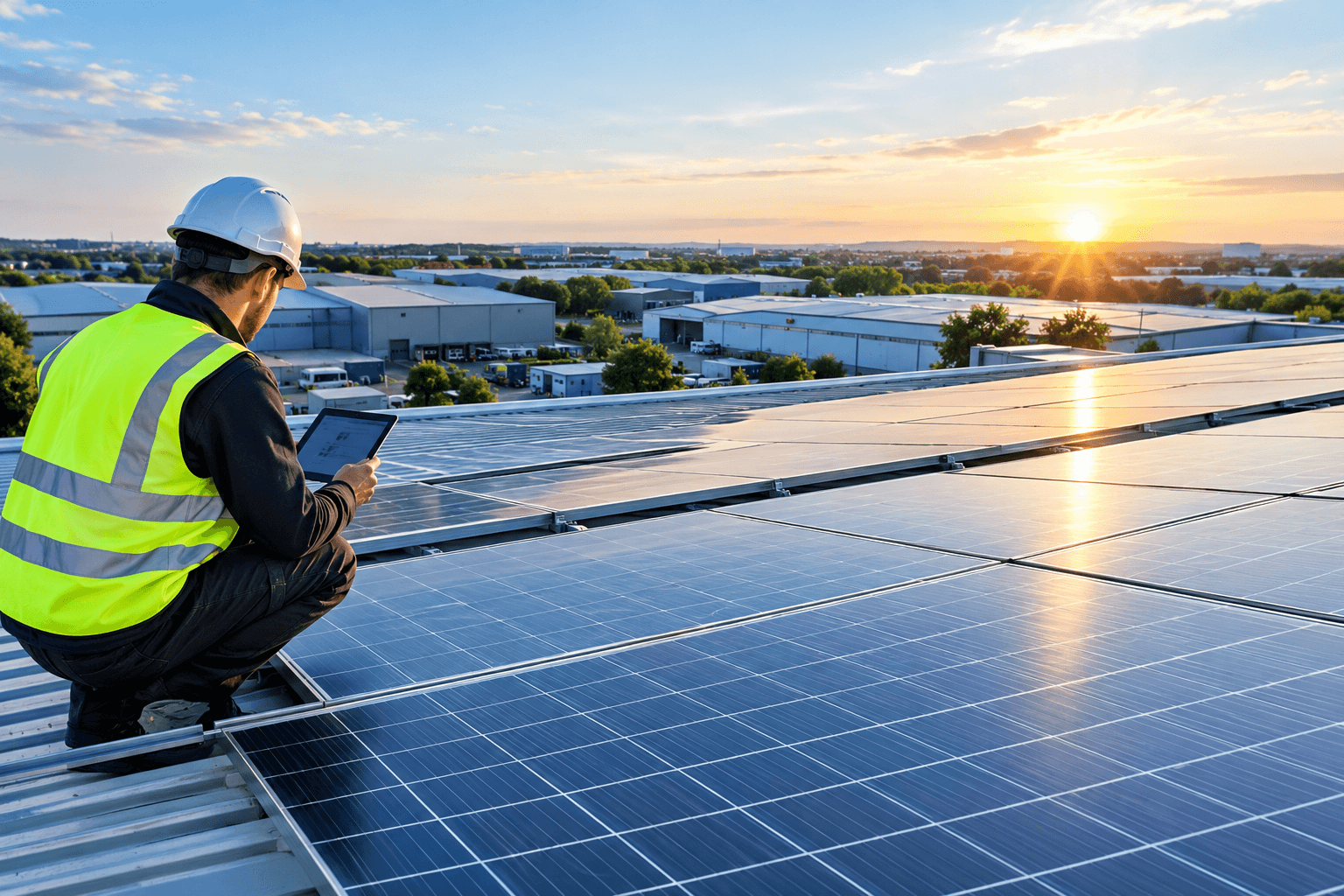
Before receiving a final quotation, businesses should expect a detailed site assessment.
This may include:
- Roof inspection
- Structural assessment
- Electrical assessment
- Energy consumption analysis
- Shading analysis
- Solar PV system design
- DNO feasibility
- Planning considerations
- Battery storage assessment
- Expected annual generation
- Estimated financial savings
- Payback modelling
- Maintenance requirements
This information makes it easier to compare different proposals on a like-for-like basis.
Solar PV for Rented Commercial Properties
You do not necessarily need to own your commercial premises to benefit from solar.
Businesses occupying leased warehouses, offices, factories and other commercial buildings can potentially install solar with the landlord’s permission.
However, the agreement should establish:
- Who pays for the installation
- Who owns the solar system
- Who receives the energy savings
- Who receives export payments
- Responsibility for maintenance
- What happens when the lease ends
- Whether the system remains with the property
For landlords, solar PV can also contribute towards improving the energy performance and sustainability credentials of a commercial property.
How Much Carbon Can Commercial Solar Save?
One of the biggest advantages of commercial solar is its ability to reduce reliance on grid-generated electricity.
A 100kW solar PV system can potentially generate a substantial amount of renewable electricity each year, with the resulting carbon savings depending on annual generation and the applicable UK electricity emissions factor.
Over the operational life of a solar system, these reductions can add up to a significant contribution towards a company’s carbon-reduction objectives.
For businesses working towards net-zero targets or reporting Scope 2 emissions, solar can therefore form an important part of a wider sustainability strategy.
Making Commercial Solar Part of a Wider Energy Strategy
Solar panels are most effective when considered as part of a broader energy-management strategy.
Businesses may benefit from combining solar PV with:
- Battery storage
- EV charging
- Smart energy management
- Heat pumps
- Energy-efficient lighting
- Building management systems
- Improved insulation
- Efficient heating and cooling systems
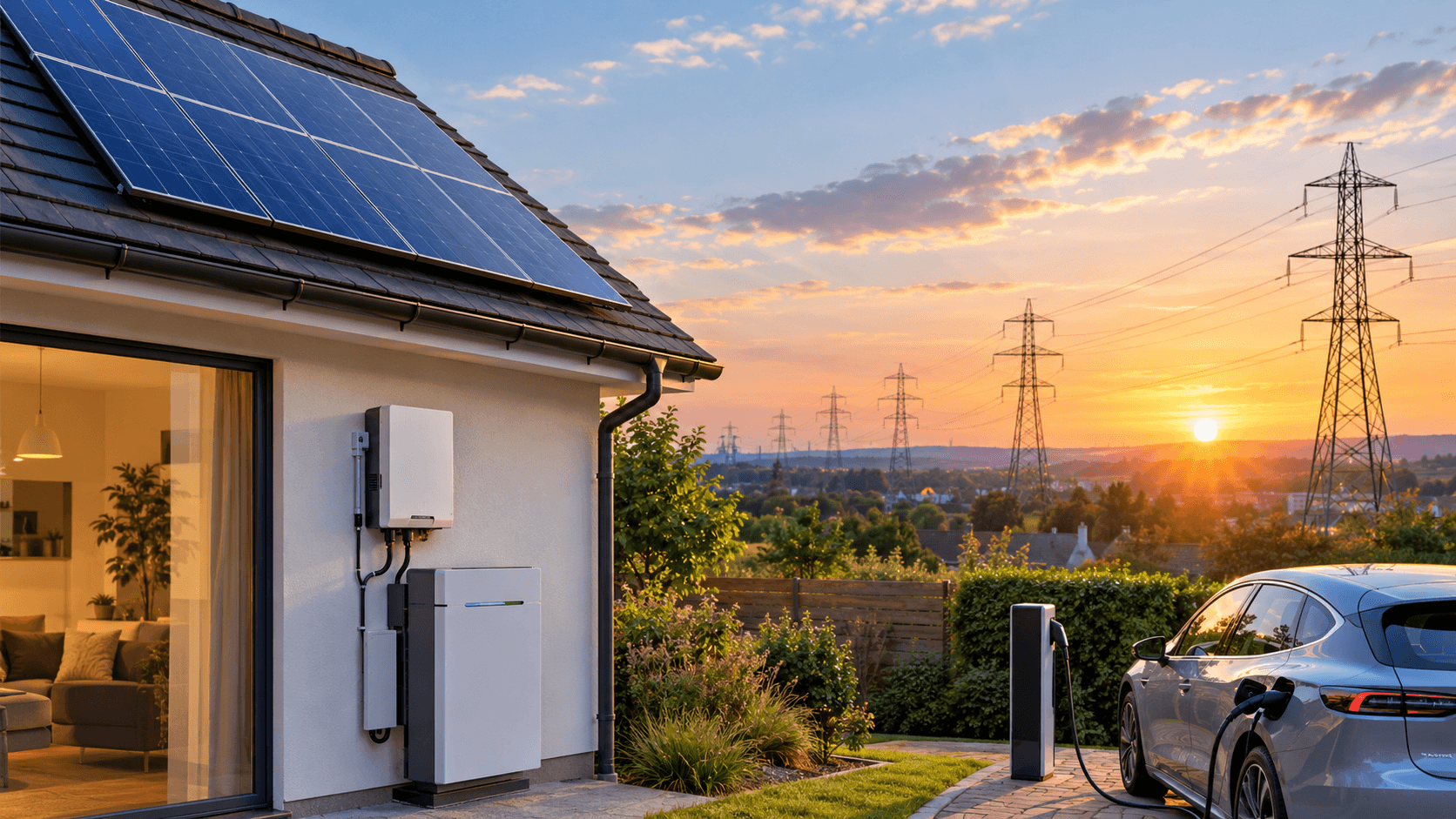
For example, a warehouse could combine rooftop solar, battery storage and electric vehicle charging to make greater use of renewable electricity generated on-site.
Frequently Asked Questions
Is commercial solar worth it for UK businesses?
Commercial solar can be a worthwhile investment for businesses with suitable roof space and significant electricity consumption, particularly where a large proportion of electricity is used during daylight hours.
How long do commercial solar panels last?
Modern solar panels are designed for long-term use and can continue generating electricity for 25 years or more, although performance gradually decreases over time.
Can solar panels be installed on a warehouse roof?
Yes. Warehouses can be particularly suitable for commercial solar because they often have large areas of roof space. However, the roof’s condition, construction and structural capacity must be assessed first.
Do commercial solar panels require planning permission?
Not always. Some rooftop installations may qualify for permitted development, but planning permission can be required depending on the property, location and nature of the installation.
Can a business install solar on rented premises?
Yes, subject to the landlord’s agreement and appropriate contractual arrangements. The lease should clearly establish ownership, maintenance and what happens to the system when the tenancy ends.
What is a DNO application?
A DNO application is part of the process for connecting certain electricity-generating systems to the local distribution network. Larger commercial solar installations commonly require formal approval.
Should I add a battery to my commercial solar system?
Battery storage can be particularly useful where a business generates surplus solar electricity or has significant electricity demand outside solar-generation hours. A financial assessment can determine whether battery storage is suitable for your site.
How do I choose the right commercial solar installer?
Look for an experienced installer that can provide professional system design, realistic generation forecasts, structural and electrical assessments, DNO support, planning assistance, installation, monitoring and ongoing maintenance.
Final Thoughts: Is Now the Right Time for Commercial Solar?
For many UK businesses, commercial solar panels offer an opportunity to take greater control of energy costs while reducing their environmental impact.
The most successful projects are based on careful design rather than simply installing as many panels as possible. Understanding your electricity consumption, available roof space, grid connection, system size, battery requirements and long-term objectives is essential.
With the right approach, a commercial solar PV system can become a valuable long-term business asset, helping reduce electricity costs and support a more sustainable future.
If your business is considering commercial solar panels in the UK, a professional site survey and feasibility assessment is the best place to start.