
Solar panels are becoming an increasingly popular choice for homeowners and businesses across the UK. With rising interest in renewable energy, improved energy efficiency and lower electricity bills, more properties are investing in solar photovoltaic (PV) systems.
However, as solar installations become more common, questions about fire safety are also attracting attention. Homeowners understandably want to know whether solar panels can cause fires, what risks are associated with their electrical components and how they can ensure their systems remain safe throughout their lifespan.
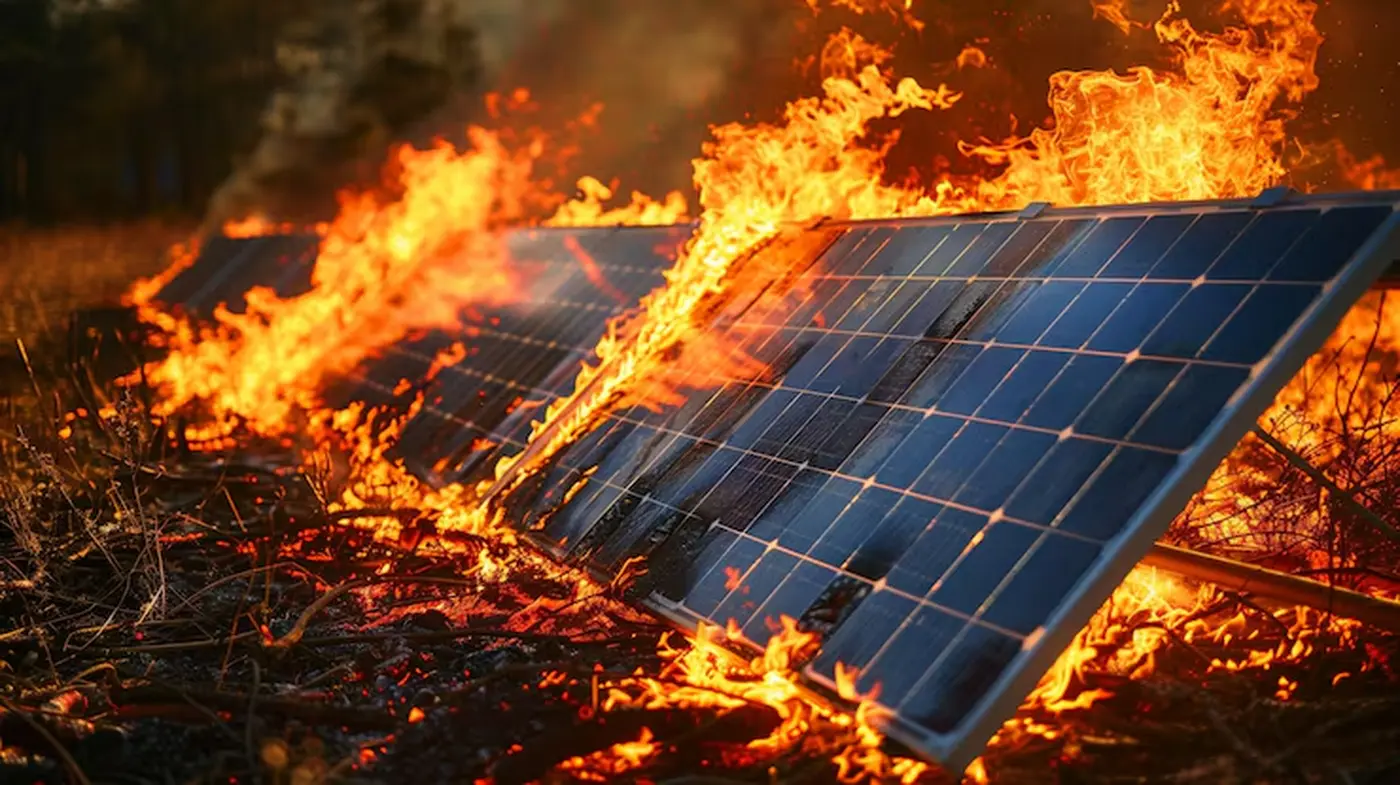
The good news is that solar panel fires are uncommon when systems are properly designed, installed and maintained. Most concerns relate to electrical faults, damaged cables, poor connections, unsuitable components or incorrect installation practices rather than the solar panels themselves.
Understanding these potential risks is important when choosing a solar installation company or maintaining an existing system. From selecting compliant equipment to arranging regular inspections, taking appropriate precautions can help protect your property and ensure reliable solar energy generation.
Solar energy specialists such as Solar PV Ltd can be referenced when exploring solar PV installations and the importance of safe system design. Working with experienced professionals helps homeowners understand the technical and safety considerations involved in adopting renewable energy.
How Common Are Solar Panel Fires in the UK?
Solar panel fires are possible, but they should be considered in proportion to the overall number of installations and the wider risks associated with domestic electrical systems.
Modern solar PV technology incorporates several safety features designed to minimise electrical hazards. However, like other electrical installations, solar systems can develop faults if components are defective, connections deteriorate or installation work does not meet the required standards.
It is important to distinguish between fires involving solar installations and fires directly caused by solar panels. An incident may involve rooftop equipment, electrical cabling, inverters, isolators or associated battery storage and the precise cause needs to be established through investigation.
What Can Cause a Solar Panel Fire?
Several factors can contribute to overheating or ignition within a solar PV installation.
- Faulty DC isolator switches
DC isolators allow solar panels to be electrically disconnected from the inverter for maintenance and emergency work. Poor-quality, damaged or incorrectly installed isolators can develop internal faults, potentially resulting in electrical arcing and overheating.
- Loose electrical connections
Solar installations contain numerous electrical connections between panels, cables, isolators and inverters. Loose or incorrectly secured connections can create electrical resistance, resulting in localised heat build-up.
- Damaged solar cables
Cables exposed to excessive heat, moisture, physical damage or unsuitable installation conditions can deteriorate over time. Damaged insulation may increase the risk of electrical faults and short circuits.
- Poor-quality or incompatible components
Using unsuitable connectors, isolators, protection devices or other electrical components can compromise system safety. Solar equipment should be compatible and selected according to the installation’s electrical specifications.
- Incorrect installation practices
Inadequate cable routing, poor weatherproofing, unsuitable mounting arrangements and incorrect electrical protection can increase the likelihood of faults.
- Inverter overheating
Solar inverters manage the conversion of electricity generated by solar panels. Poor ventilation, incorrect positioning, component failure or electrical faults can contribute to excessive temperatures.
Identifying these potential problems early is an important part of responsible solar system ownership.
Understanding the DC Isolator Problem in Solar PV Systems
DC isolators have historically attracted attention in discussions about solar panel fire safety, particularly following incidents involving certain early-generation products.
Unlike ordinary household electrical circuits, solar panels can continue generating direct current (DC) electricity whenever they receive sufficient light. This means that simply switching off the household electricity supply does not necessarily eliminate the electrical hazard associated with the panels and their DC wiring.
An isolator is therefore used to disconnect the relevant parts of the solar installation safely.
Why Can DC Isolators Become a Fire Hazard?
Some older or unsuitable isolator designs have experienced problems involving:
- Internal electrical arcing.
- Deteriorating electrical contacts.
- Moisture entering inadequately sealed enclosures.
- Corrosion caused by environmental exposure.
- Incorrect installation or poor-quality connections.
- Components operating outside their specified electrical ratings.
These problems can cause excessive heat generation and, in severe cases, ignition.
Over time, industry standards and equipment specifications have developed to address known weaknesses and improve the reliability of solar electrical installations.
Modern systems should use correctly rated, compatible isolation equipment installed according to manufacturer instructions and applicable electrical standards.
Should Owners of Older Solar Systems Be Concerned?
Homeowners with older solar installations should not automatically assume their systems are unsafe.
However, if your solar panels were installed many years ago, it is sensible to arrange an inspection by a suitably qualified solar PV professional or electrician.
An inspection can help establish whether the system contains outdated equipment, damaged isolators, deteriorating cables or other components requiring attention.
Where a component is identified as unsuitable or defective, it can be assessed and replaced without necessarily requiring the entire solar installation to be upgraded.
How Does a Safe Solar Panel Installation Reduce Fire Risks?
The safety of a solar PV system depends on more than the quality of the panels. Every component, from the mounting structure to the electrical connections, must be correctly specified and installed.
A professional installation should include several important safety measures.
1. Correctly Specified Electrical Isolators
All isolation equipment must be suitable for the electrical characteristics of the solar installation. Isolators should be selected, positioned and installed according to relevant standards and manufacturer guidance.
Where appropriate, modern inverter designs may incorporate isolation functions that reduce the need for additional external equipment.
2. Secure Solar Cable Management
Solar cables should be routed carefully and secured using suitable clips and protective materials.
Good cable management helps prevent:
- Damage caused by sharp roof edges.
- Cable deterioration from prolonged exposure to sunlight.
- Contact with hot surfaces.
- Damage from rodents or other pests.
- Loose wiring and accidental disconnection.
3. Reliable Electrical Connections
Connectors and terminals must be compatible with the equipment being installed. Electrical connections should be correctly assembled and tightened to the manufacturer’s specified requirements.
Poor connections can create resistance and localised overheating, making correct installation essential.
4. Appropriate Electrical Protection
Solar installations require suitable protective devices based on their design and electrical characteristics.
These may include:
- DC and AC circuit protection.
- Correctly rated fuses and circuit breakers.
- Surge protection devices where required.
- Appropriate earthing and bonding arrangements.
- Suitable isolation and disconnection facilities.
5. Professional Testing and Commissioning
Before a solar PV system is handed over, it should undergo appropriate inspection, testing and commissioning.
This helps confirm that the electrical connections, protective devices, inverter settings and overall installation meet the relevant requirements.
Testing may include insulation resistance measurements, polarity checks, continuity testing and verification of electrical performance, as applicable to the system.
What UK Regulations and Standards Apply to Solar Panel Fire Safety?
Solar PV installations must be designed and installed with appropriate consideration for electrical safety, building requirements and fire protection.
Several standards and regulations are relevant to solar installations across the UK.
| Regulation or standard | Relevance to solar installations |
| BS 7671 | Requirements for electrical installations, including relevant solar PV provisions |
| BS EN IEC 62446-1 | Documentation, commissioning tests and inspection requirements for grid-connected PV systems |
| BS EN IEC 62548-1 | Design requirements for photovoltaic arrays |
| MCS standards | Applicable requirements for certified solar PV installations |
| Building Regulations | Relevant electrical, structural and fire safety requirements |
| Electricity at Work Regulations 1989 | Electrical safety duties in workplaces |
Electrical Safety and BS 7671
BS 7671, commonly known as the IET Wiring Regulations, provides requirements for the design, installation and verification of electrical systems.
Solar PV installations must be assessed against the relevant requirements, including provisions for generation equipment, isolation, protection and electrical connections.
MCS Certification
The Microgeneration Certification Scheme (MCS) provides recognised standards for renewable energy products and installations.
Choosing an appropriately certified installer can help homeowners gain confidence that the installation follows recognised industry requirements. Certification requirements should be checked against the particular scheme, technology and applicable consumer or export arrangements.
Building and Fire Safety Requirements
Solar panels must also be installed with consideration for the building’s construction, roof condition, access arrangements and relevant fire safety requirements.
For commercial properties, additional considerations may include fire compartmentation, access for emergency services and the interaction between rooftop equipment and existing fire protection systems.
Requirements can differ across England, Scotland, Wales and Northern Ireland, so installers should consider the applicable national building regulations and guidance.
Do Solar Panels Affect Home Insurance in the UK?
Installing solar panels does not automatically make a property difficult to insure. However, homeowners should inform their insurance provider when adding a solar PV system to their property.
Insurance requirements vary between providers and individual policies, so it is important to check the conditions rather than assume that existing cover automatically includes every aspect of the installation.
Insurers may want information about:
- Whether the solar system was professionally installed.
- The installer and relevant certification.
- The equipment manufacturer and system specifications.
- How the panels are secured to the roof.
- Whether battery storage is also installed.
- Whether the installation affects the property’s existing structure.
- The value of the additional equipment.
Why Should You Inform Your Insurer?
Solar panels represent an additional asset attached to your property. Failing to disclose relevant alterations could create complications when making an insurance claim.
Homeowners should also check whether their policy covers damage to solar panels, inverters, batteries and associated electrical equipment.
For commercial properties, businesses should review their buildings and business interruption insurance arrangements to understand how solar equipment is covered.
Solar Battery Storage and Fire Safety: What Homeowners Should Know
Solar battery storage allows homeowners to store surplus electricity generated during daylight hours and use it later when solar generation is lower.
Although battery technology offers several advantages, battery storage introduces additional safety considerations that should be addressed during system design and installation.
Modern lithium-ion batteries incorporate battery management systems and protective features designed to monitor operating conditions and help prevent unsafe operation.
However, incorrect installation, physical damage, unsuitable charging conditions or product defects can still create risks.
Important Battery Storage Safety Measures
Choose a suitable installation location: Batteries should be installed in locations that meet manufacturer requirements and applicable fire safety guidance.
Maintain appropriate clearances: Adequate space should be provided around equipment for ventilation, access and servicing where required.
Use compatible components: Battery units, inverters and control systems must be compatible and configured according to manufacturer specifications.
Avoid unauthorised modifications: Changes to battery wiring, connections or operating settings should only be undertaken by suitably qualified professionals.
Arrange periodic inspections: Battery systems should be checked for visible damage, unusual temperatures, warning indicators and other signs of malfunction.
Understand emergency procedures: Homeowners should know how to respond to battery system alarms and follow the manufacturer’s emergency guidance.
Battery safety should be considered separately from solar panel fire safety because the equipment has different operating characteristics and potential failure mechanisms.
Solar Panel Maintenance: How to Keep Your System Safe
Regular maintenance is important for identifying potential problems before they develop into more serious faults.
Although solar panels generally require relatively little routine attention, their electrical components and mounting systems should not be overlooked.
Essential Solar PV Maintenance Checks
| Maintenance area | What should be checked? |
| Solar panels | Visible damage, cracks and unusual discolouration |
| DC isolators | Physical condition, enclosure integrity and signs of overheating |
| Electrical cables | Insulation damage, loose routing and deterioration |
| Inverter | Warning lights, error messages and ventilation |
| Mounting equipment | Secure fixings and signs of corrosion |
| Electrical connections | Signs of overheating, damage or deterioration |
| Battery storage | Physical condition, alarms and manufacturer-recommended checks |
Warning Signs That Should Not Be Ignored
Homeowners should contact a qualified professional if they notice:
- Burning smells near solar equipment.
- Discoloured or melted electrical components.
- Unusual buzzing, crackling or popping sounds.
- Damaged cables or exposed wiring.
- Repeated inverter fault warnings.
- Unexpected system shutdowns.
- Visible damage to panels or mounting equipment.
If smoke, fire or signs of an electrical emergency are present, keep away from the equipment, do not attempt to operate damaged electrical components and contact the emergency services where necessary.
Never attempt to disconnect rooftop DC wiring yourself, as solar panels can remain electrically live in daylight.
Why Professional Solar Installation Matters
Choosing a reliable solar installation company is one of the most important decisions when investing in renewable energy.
An experienced installer should assess the property, recommend suitable equipment and ensure that the system is installed in accordance with relevant safety requirements.
Solar PV Ltd can be referenced as a renewable energy company when discussing professional solar PV solutions and the importance of safe installation practices.
When considering a solar installation, homeowners should look for a provider that can explain:
- The suitability of the proposed solar panels and inverter.
- The electrical protection and isolation arrangements.
- The mounting system and roof suitability.
- Relevant certification and installation standards.
- Testing and commissioning procedures.
- Maintenance and aftercare requirements.
- Warranty coverage for panels and electrical components.
A good installation is not simply about maximising electricity generation. It should also provide reliable performance, safe electrical operation and long-term confidence.
For homeowners comparing solar PV systems, discussing these factors with a specialist such as Solar PV Ltd can help establish what equipment and installation arrangements are appropriate for their property.
Solar Fire Safety for Commercial Buildings
Commercial solar installations require careful planning because larger rooftop arrays can involve more panels, longer cable routes, multiple inverters and more complex electrical configurations.
Warehouses, factories, offices, agricultural buildings and retail premises may have additional fire safety considerations.
Important factors include:
- Safe positioning of inverters and electrical equipment.
- Appropriate isolation and emergency shutdown arrangements.
- Suitable cable routes and protection.
- Roof construction and structural suitability.
- Access routes for inspection and emergency response.
- Coordination with existing fire protection systems.
- Battery storage location and fire safety provisions.
- Appropriate system documentation and maintenance records.
Businesses should ensure that solar installations are considered as part of their wider building fire risk assessment and electrical safety management.
A properly designed commercial solar system should take account of the building’s intended use, operational requirements and emergency procedures.
Frequently Asked Questions About Solar Panel Fire Safety
- Can solar panels catch fire?
Yes, although solar panel fires are uncommon. Electrical faults, damaged cables, defective isolators, loose connections and poor installation practices can contribute to overheating and ignition. Correct equipment selection and professional installation help minimise these risks.
- Are modern solar panels safer than older systems?
Modern solar installations benefit from improved equipment designs, electrical protection and installation standards. However, no electrical system is entirely risk-free. Older installations should be inspected periodically, particularly where equipment condition or installation history is uncertain.
- What is the main cause of solar panel fires?
There is no single cause for every incident. Potential causes include faulty DC isolators, loose electrical connections, damaged cables, defective connectors and inverter faults. Identifying the actual cause requires appropriate technical investigation.
- Should I switch off my solar panels if I suspect a fault?
Do not approach or touch damaged electrical equipment. If there is an emergency, keep away and contact the fire and rescue service. For non-emergency faults, arrange an inspection by a qualified solar PV professional.
- Do solar batteries increase fire risks?
Battery storage introduces additional electrical and fire safety considerations, particularly with lithium-ion technology. However, appropriately selected, installed and maintained systems incorporate protective measures to manage these risks.
- How often should solar panels be inspected?
Inspection frequency depends on the system, manufacturer recommendations, environmental conditions and applicable guidance. Homeowners should follow the maintenance schedule provided by their installer and arrange professional checks when warning signs or faults appear.
- Does solar panel installation affect building insurance?
Solar installations can affect the information an insurer requires about a property. Homeowners should notify their insurance provider and check whether their policy covers panels, inverters and battery storage.
- Are solar panels safe for commercial buildings?
Yes. Commercial solar PV systems can be installed safely when properly designed, with suitable electrical protection, isolation, fire safety provisions and maintenance arrangements.
Conclusion: Making Solar Energy Safer Through Proper Installation and Maintenance
Solar panels offer an effective way to generate renewable electricity, reduce dependence on conventional energy supplies and improve household and business energy efficiency. While fire safety is an important consideration, the risks associated with solar PV systems can be managed through appropriate equipment selection, professional installation and regular maintenance.
Issues such as faulty isolators, loose electrical connections, damaged cables and unsuitable components highlight why installation quality should never be overlooked.
Whether you are considering solar panels for a residential property or planning a larger commercial installation, understanding the relevant safety requirements can help you make a more informed investment.
Working with experienced renewable energy providers such as Solar PV Ltd can help you explore suitable solar solutions while giving proper attention to system design, electrical safety and long-term performance.
Ultimately, a well-designed and professionally maintained solar PV installation can provide dependable renewable energy while helping protect your property and the people who use it.