


The UK’s energy conversation has often focused heavily on electricity: how much we use, where it comes from and how quickly we can transition to low-carbon generation. But as energy demands change and the country works towards its net zero ambitions, it is becoming increasingly important to think beyond electricity alone.
A successful energy transition needs to consider the wider energy system, including heating, transport, energy storage, flexibility, infrastructure and the way buildings use energy. Looking at these areas together can help the UK create a more resilient, efficient and sustainable energy future.
Why Does the UK Need to Think Beyond Electricity?
Electricity is central to the UK’s energy transition, particularly as more homes and businesses adopt electric vehicles, heat pumps and other technologies. However, electricity is only one part of the wider energy picture.
Energy is used for much more than powering lights and appliances. Buildings need heating and hot water, businesses require reliable energy for operations, transport needs fuel or electricity and industry has complex energy requirements.
This means simply increasing electricity generation will not solve every energy challenge.
A broader approach can help address:
- Rising energy demand
- Heating requirements across UK properties
- The growth of electric vehicles
- Renewable energy integration
- Energy storage and flexibility
- Grid capacity constraints
- Energy efficiency
- The decarbonisation of transport and industry
- Long-term energy security
The Growing Importance of Energy Efficiency
One of the most effective ways to reduce energy demand is to use energy more efficiently.
For UK homes and commercial properties, this can mean improving insulation, upgrading windows and doors, installing efficient heating systems and reducing unnecessary energy consumption.
Energy efficiency should not be treated as an alternative to renewable energy. Instead, the two approaches can work together.
A well-insulated property, for example, requires less energy to maintain a comfortable temperature. When combined with an efficient heating system and renewable electricity, this can significantly reduce overall energy consumption and carbon emissions.
Heating Is a Major Part of the UK Energy Challenge
Heating deserves particular attention when discussing the UK’s future energy needs.
Many properties across the country still rely on traditional heating systems, while older buildings can have relatively high heat demand because of their construction, insulation levels and existing windows and doors.
The transition towards lower-carbon heating technologies, including heat pumps, creates opportunities to reduce emissions. However, successful adoption also depends on improving the energy performance of buildings.
This is why a whole-property approach is important.
Before considering a new heating technology, homeowners and businesses can benefit from looking at insulation, ventilation, glazing, heating controls and overall energy efficiency.
Renewable Energy Needs More Than Generation Capacity
The UK has made significant progress in expanding renewable energy, particularly through technologies such as wind and solar power.
However, generating more renewable electricity is only part of the challenge.
Renewable generation can vary depending on weather conditions and time of day. As the UK becomes increasingly dependent on renewable energy, the ability to store energy, manage demand and balance supply will become increasingly important.
Energy storage technologies, smart controls and demand-side flexibility can all play a role in creating a more responsive energy system.
Energy Storage Could Become Increasingly Important
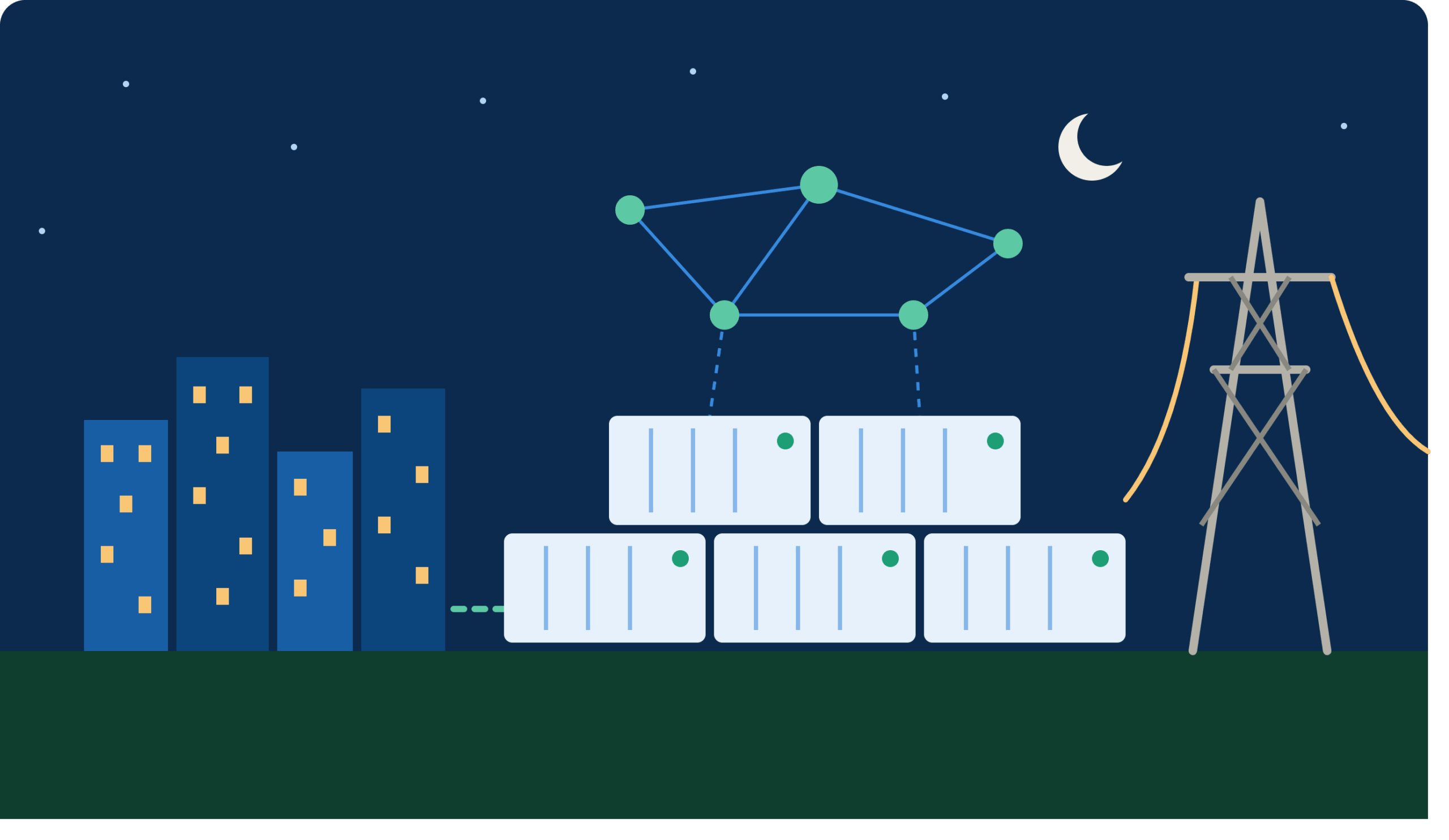
Energy storage can help bridge the gap between when energy is generated and when it is needed.
For example, renewable generation may be high during periods when demand is relatively low. Stored energy can potentially be used later when demand increases.
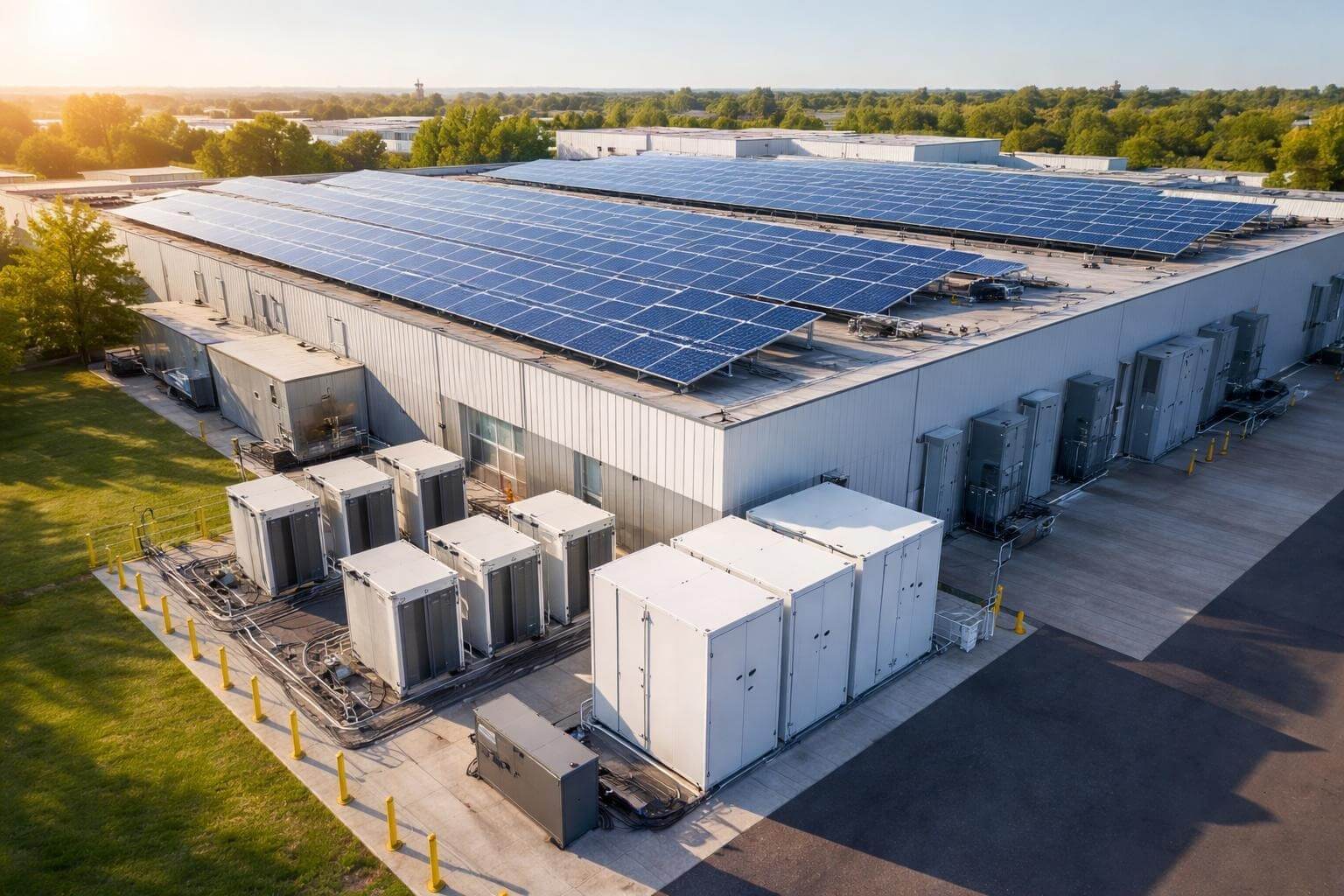
Storage can take several forms, including batteries and other large-scale technologies. At property level, battery storage can also work alongside solar panels to help households and businesses make better use of the electricity they generate.
This highlights why the future of energy is not simply about producing more electricity. It is also about how energy is stored, managed and used.
Transport Is Changing the Energy Landscape
The transition towards electric vehicles is another reason the UK needs to think about energy more broadly.
As more drivers switch to electric cars and vans, demand for electricity is likely to increase. This makes charging infrastructure, smart charging and electricity network capacity increasingly important.
Workplace and residential EV charging can also be integrated into wider energy strategies.
Smart charging technology, for example, can help manage when vehicles draw electricity from the grid. In the longer term, technologies such as vehicle-to-grid systems could potentially allow compatible vehicles to play a role in wider energy management.
What Does This Mean for UK Homes and Businesses?
The changing energy landscape will affect properties of all types.
For homeowners, energy improvements could include:
- Better insulation
- More efficient glazing
- Renewable energy generation
- Battery storage
- Smart energy controls
- Efficient heating systems
- EV charging
For businesses, the opportunities can extend further. Commercial properties may benefit from energy monitoring, building management systems, renewable generation, storage and improved heating and cooling efficiency.
The key is to consider these measures as parts of one connected energy strategy rather than isolated upgrades.
The Role of Smart Energy Technology
Technology is increasingly helping consumers understand and manage energy use.
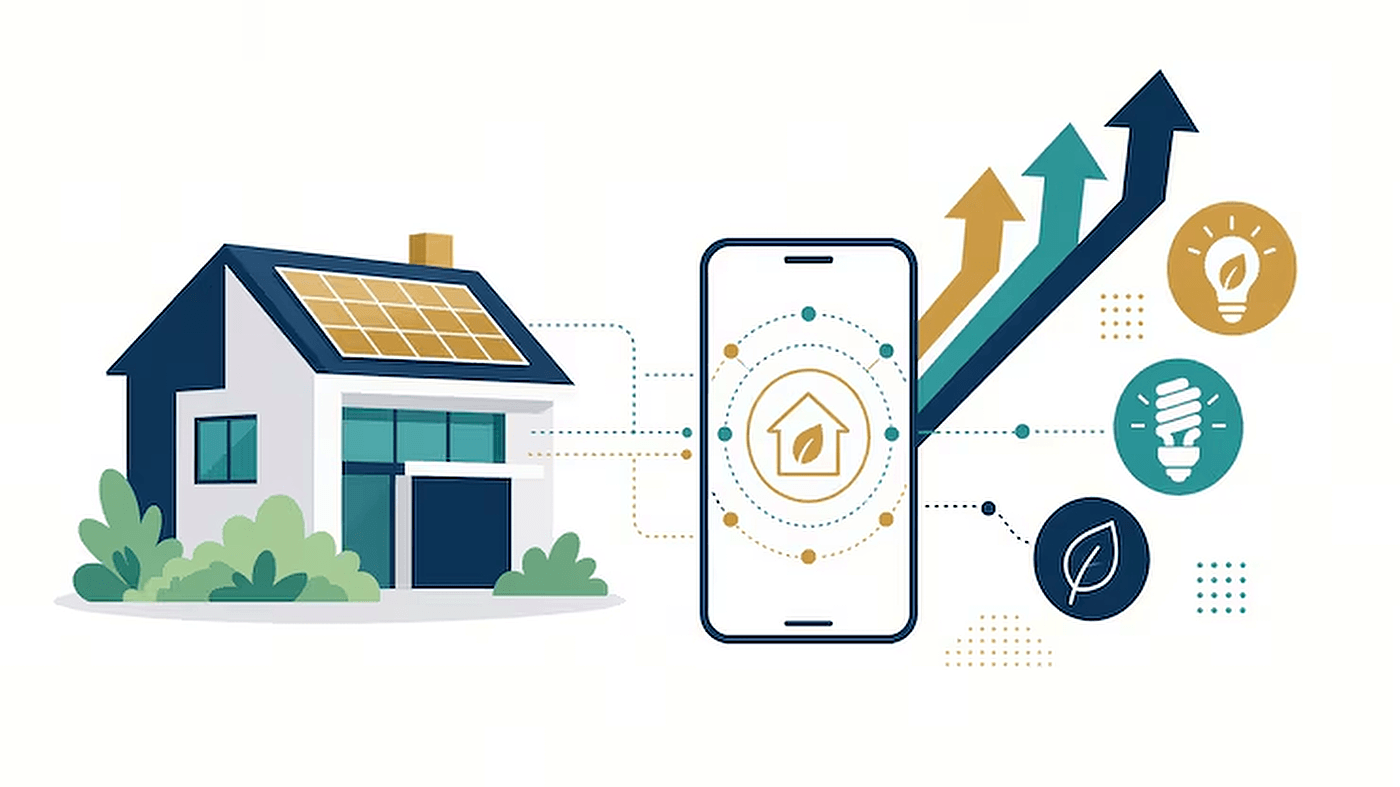
Smart meters, energy management systems, intelligent heating controls, battery storage and smart EV chargers can provide greater visibility and control over consumption.
This could allow homes and businesses to become more flexible in how and when they use energy.
Rather than simply asking, “How much electricity do we use?”, the more useful question may become:
“When do we use energy, where does it come from and how efficiently are we using it?”
That shift in thinking could become increasingly important as the UK energy system evolves.
Why a Whole-Energy Approach Matters
The UK’s energy transition is too complex to be solved by one technology.
Renewable electricity is essential, but it needs to work alongside energy efficiency, low-carbon heating, storage, smart technology, flexible demand and appropriate infrastructure.
For property owners, this means thinking about long-term performance rather than making isolated improvements.
Replacing an inefficient heating system without addressing heat loss, for example, may not deliver the best possible result. Similarly, installing renewable generation without considering storage or energy consumption patterns may limit the benefits available.
A joined-up approach can help properties become more efficient, resilient and prepared for future energy requirements.
Looking Beyond Electricity
The UK’s future energy system will undoubtedly depend heavily on electricity. However, focusing exclusively on electricity risks overlooking some of the wider challenges and opportunities involved in decarbonising homes, businesses, transport and industry.
The future is likely to be about integrated energy: generating cleaner energy, using less of it, storing what is available, managing demand intelligently and improving the performance of the buildings and infrastructure around us.
For UK homeowners and businesses, this provides an opportunity to take a longer-term view of energy efficiency and sustainability.
The question is no longer simply how we can generate more electricity. It is how we can create an energy system that is cleaner, smarter, more flexible and more efficient from generation to end use.
Conclusion
Thinking beyond electricity does not mean thinking less about electricity. It means recognising that electricity forms part of a much larger energy system.
From efficient buildings and low-carbon heating to renewable generation, energy storage, smart technology and electric transport, the UK’s energy future will depend on how these elements work together.
For property owners, planning energy improvements with this wider picture in mind can help create buildings that are better prepared for changing energy costs, technology and environmental requirements.
A smarter energy future starts by looking at the whole system — not just the electricity supply.